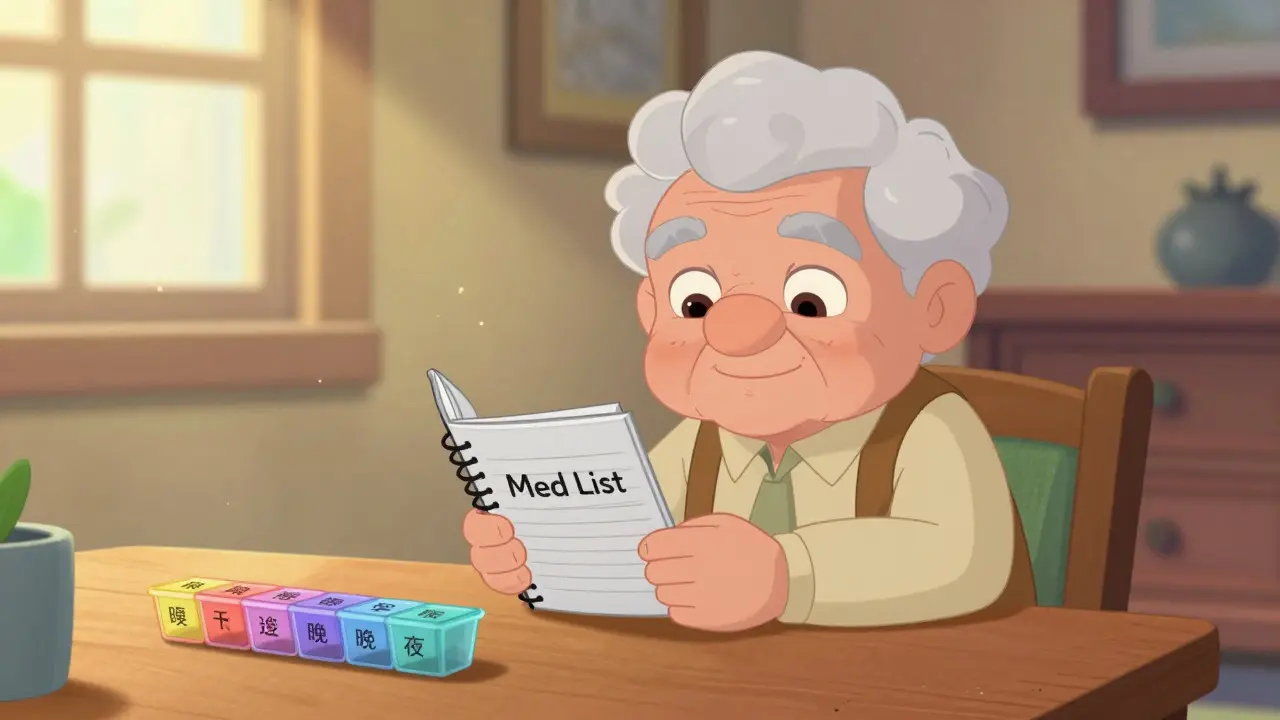
Imagine a scenario where a well-meaning caregiver gives their senior loved one a standard dose of pain relief, not realizing it interacts dangerously with a blood pressure medication taken an hour earlier. This isn't just a hypothetical nightmare; it is a daily reality for thousands of families. As we age, our bodies process drugs differently, and the sheer volume of prescriptions can become overwhelming. For seniors, medication mismanagement is often a bigger threat to independence than heart disease or cancer. The stakes are high: preventable adverse drug events cost the healthcare system billions annually and lead to countless hospitalizations. But you have the power to change this narrative.
Managing medications safely doesn't require a medical degree. It requires organization, clear communication, and a few evidence-based habits. Whether you are managing your own health or caring for someone else, these five tips will help you navigate the complex world of senior pharmacology with confidence and precision.
1. Master the Comprehensive Medication List
The foundation of any safe medication regimen is a single, accurate source of truth. Many seniors carry multiple bottles from different pharmacies, leading to confusion about dosages and overlapping ingredients. You need to create a master list that includes every substance entering the body. This means prescription pills, over-the-counter drugs like ibuprofen or antacids, vitamins, herbal supplements, and even topical creams.
| Element | Why It Matters |
|---|---|
| Medication Name | Prevents confusion between similar-sounding drugs (e.g., Tenormin vs. Tenex). |
| Dosage Strength | Ensures the correct amount is taken; generic substitutions can vary in appearance. |
| Frequency & Timing | Critical for maintaining steady drug levels in the bloodstream. |
| Purpose/Indication | Helps patients understand why they are taking each pill, improving adherence. |
| Prescribing Doctor | Clarifies who to contact if side effects occur or refills are needed. |
| Known Side Effects | Allows for quick identification of adverse reactions. |
Update this list within 24 hours of any change. If a doctor adds a new antibiotic or stops a statin, write it down immediately. Bring this physical or digital list to every appointment-doctor visits, dentist checkups, and pharmacy consultations. Pharmacists report that this simple habit prevents dangerous drug interactions in the vast majority of cases. It turns you from a passive recipient of care into an active partner in your health.
2. Simplify Organization with Smart Tools
Memory lapses are normal as we age, but missing doses or doubling up on pills is not acceptable when it risks health. The solution lies in externalizing memory through reliable tools. Start with the basics: a weekly pill organizer with compartments for morning, afternoon, evening, and bedtime. These visual cues reduce cognitive load significantly. If you see an empty slot, you know you’ve taken your meds. If it’s full at night, you know you missed a dose.
For those struggling with mild cognitive impairment, color-coded systems can improve adherence by nearly half. However, technology offers even more robust solutions. Digital apps like Medisafe provide automated reminders and can alert caregivers if a dose is missed. For higher-risk situations, smart dispensing systems such as Hero automatically lock pills until the scheduled time and dispense them precisely. While these devices come with a price tag, the cost of a single emergency room visit for a medication error far exceeds the monthly subscription fee. Choose the tool that matches the user's comfort level with technology. Some seniors prefer the tactile simplicity of a plastic box, while others thrive with smartphone notifications.

3. Vigilantly Monitor for Interactions
Not all medications play nicely together. Polypharmacy-the use of multiple medications-is common among seniors, with many taking five or more drugs daily. Each additional pill increases the risk of interaction exponentially. You must actively monitor for conflicts. Use resources like the Beers Criteria®, which identifies potentially inappropriate medications for older adults. This list is updated regularly by geriatric experts and flags drugs that pose higher risks than benefits for seniors.
Be wary of non-prescription triggers too. Grapefruit juice, for instance, interferes with the enzyme that breaks down many common drugs, including statins and certain blood pressure medications. Alcohol can dangerously amplify the sedative effects of painkillers and anxiety meds. Always ask your pharmacist: "Does this new medication interact with what I am already taking?" Don't assume that because one drug is prescription and another is over-the-counter, they are safe to combine. Check every supplement, including St. John's Wort and CBD products, which are increasingly popular but poorly regulated for interactions.
4. Store Medications Correctly
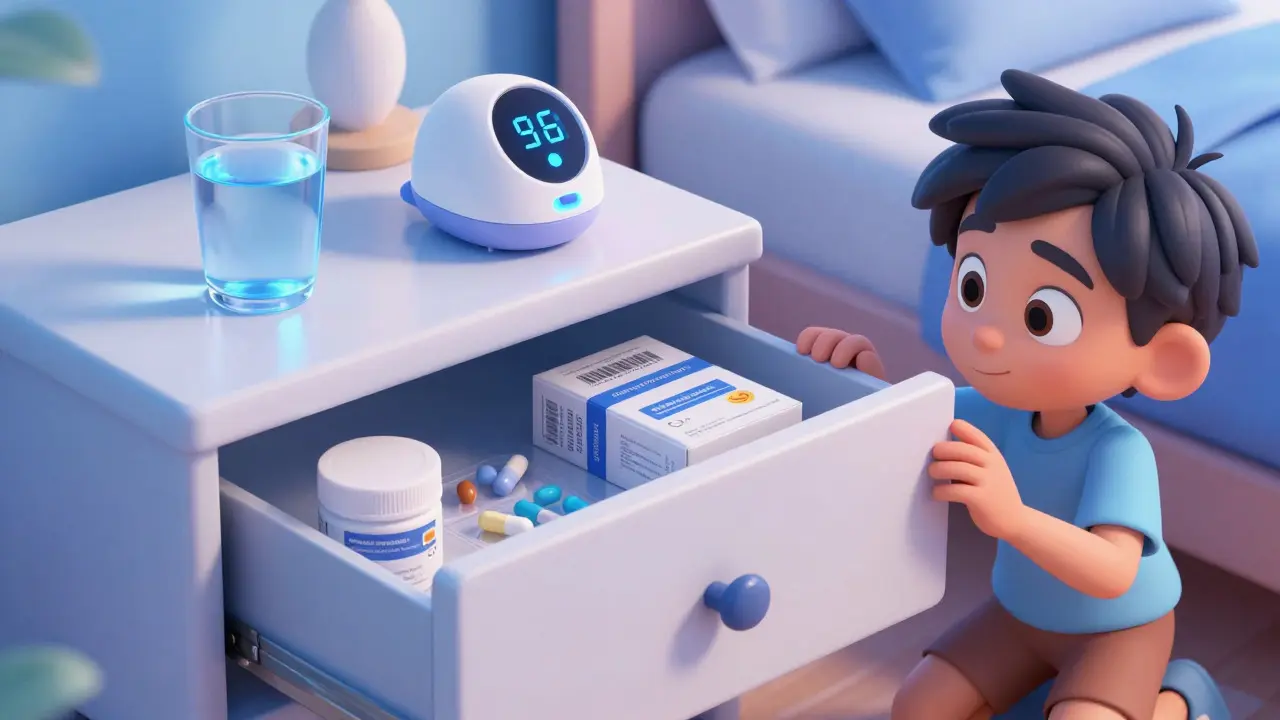
Where you keep your pills matters just as much as how you take them. The bathroom medicine cabinet is a myth. Humidity and heat from showers degrade medications rapidly. A study found that steam degrades nearly 40% of common drugs stored in bathrooms. Instead, store medications in a cool, dry place away from direct sunlight. Ideal temperatures range between 68-77°F (20-25°C) with humidity below 60%. A bedroom drawer or kitchen cupboard works best.
Safety also involves accessibility. If grandchildren visit, improper storage leads to accidental pediatric poisonings. Keep medications in original containers with labels intact, especially if they look similar. For seniors with dementia who might wander or double-dose, consider locked organizers. Discard expired medications properly; hoarding old pills creates clutter and confusion. Most communities have drug take-back programs, or you can follow FDA guidelines for household disposal. Regularly audit your supply every three months to remove anything unused or expired.
5. Establish Open Communication Protocols
Your healthcare team is your ally, but only if you speak up. Too many seniors suffer in silence due to fear of bothering doctors or embarrassment about side effects. Establish a routine of asking specific questions at every visit. Is this medication still necessary? Can we simplify the schedule to once daily instead of four times? Are there lower-cost generics available? What are the signs of dangerous side effects?
Structured communication reduces errors dramatically. If a patient feels dizzy after starting a new blood pressure med, they should call the doctor immediately rather than waiting for the next appointment. Caregivers should advocate fiercely. If a regimen seems unmanageable, request a "medication therapy management" review. Medicare Part D covers this for eligible beneficiaries, providing a free consultation with a pharmacist to optimize the entire drug plan. Deprescribing-safely stopping unnecessary medications-is a growing field that can reduce falls and hospitalizations. Don't be afraid to ask, "Can we stop any of these?" Sometimes, less is truly more.
Putting It All Together
Implementing these five tips transforms medication management from a chaotic chore into a structured, safe routine. Start small. Create the list today. Buy the organizer tomorrow. Schedule the review next week. Consistency builds confidence. Remember, the goal is not just survival, but thriving. By mastering these safety protocols, you protect your health, preserve your independence, and give yourself and your loved ones peace of mind. The journey to better health starts with the pills in your pocket.
What is the Beers Criteria® and why should seniors care?
The Beers Criteria® is a widely recognized guideline developed by the American Geriatrics Society that lists medications potentially inappropriate for older adults. It helps doctors and patients identify drugs that may cause more harm than good due to age-related physiological changes. Seniors should care because using these drugs increases the risk of falls, confusion, and hospitalization. Asking your doctor if any of your prescriptions appear on this list can lead to safer alternatives.
How do I properly dispose of expired medications?
The safest way to dispose of most medications is through a drug take-back program, often hosted by local pharmacies or law enforcement agencies. If no take-back option is available, the FDA recommends mixing the drugs with an unpalatable substance like dirt, cat litter, or used coffee grounds, placing the mixture in a sealed container, and throwing it in the trash. Remove personal information from the label before discarding. Avoid flushing unless specifically instructed on the label, as this can contaminate water supplies.
Can grapefruit juice really affect my medications?
Yes, grapefruit juice contains compounds that block an enzyme called CYP3A4, which breaks down many drugs in the intestine. This can lead to dangerously high levels of medication in your bloodstream. Common affected drugs include statins (for cholesterol), certain blood pressure medications, and some anti-anxiety drugs. Even a small amount of grapefruit juice can trigger this effect, so it is best to avoid it entirely if you are on these medications or consult your pharmacist for specific advice.
What is deprescribing and is it safe?
Deprescribing is the planned and supervised tapering or discontinuation of medications that may be causing harm or are no longer needed. It is safe when done under medical supervision. As people age, their bodies change, and drugs that were helpful years ago might now cause side effects like dizziness or confusion. Systematic deprescribing has been shown to reduce falls and hospitalizations in seniors taking multiple medications. It requires close monitoring but can significantly improve quality of life.
Should I use a smart pill dispenser or a traditional organizer?
The choice depends on the individual's needs and tech comfort. Traditional organizers are low-cost, simple, and effective for those with good memory who just need visual cues. Smart dispensers are better for individuals with significant memory issues, cognitive impairment, or complex schedules, as they lock pills and alert caregivers to missed doses. If budget allows and the user struggles with adherence despite reminders, a smart dispenser provides an extra layer of safety and peace of mind for families.