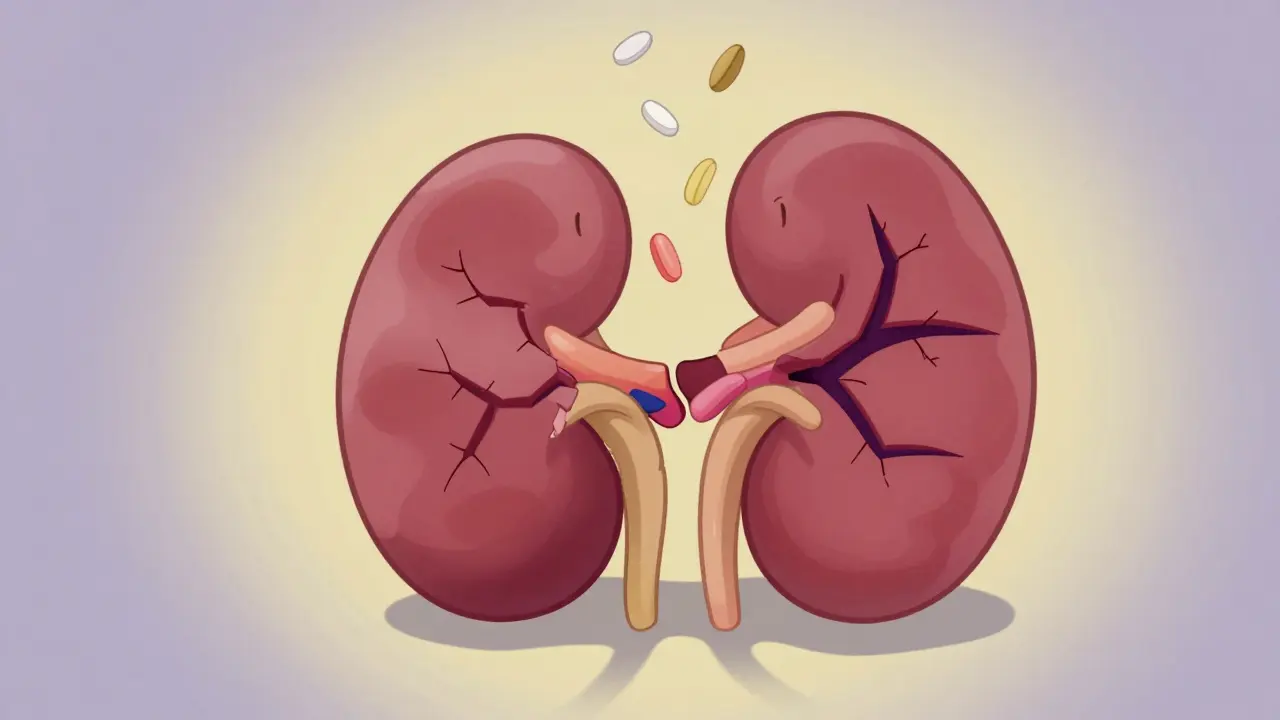
Every year, tens of thousands of people in the U.S. develop kidney damage from something they thought was harmless: over-the-counter pain pills. They take ibuprofen for back pain, Excedrin for migraines, or naproxen for arthritis-sometimes daily, for years. They don’t see it coming. No sharp pain. No warning signs. Just a slow, silent decline in kidney function until it’s too late. This is analgesic nephropathy, and it’s not rare. It’s preventable. But most people have never heard of it.
What Exactly Is Analgesic Nephropathy?
Analgesic nephropathy is kidney damage caused by long-term, heavy use of painkillers-especially NSAIDs like ibuprofen, naproxen, and aspirin, and sometimes acetaminophen. It’s not a sudden injury. It’s a slow burn. Over time, these drugs reduce blood flow to the kidneys, trigger oxidative stress, and cause scarring in the inner parts of the kidney called the renal papillae. Eventually, the tissue dies. This leads to chronic interstitial nephritis, high blood pressure, anemia, and sometimes end-stage kidney disease.
Back in the 1970s and 80s, this condition was much worse because of phenacetin-a painkiller now banned in the U.S. and most countries. People took combination pills with phenacetin, aspirin, caffeine, and codeine. These were sold as "migraine remedies" or "strong pain relievers." In Australia, up to 10% of all end-stage kidney disease cases were linked to these pills. Today, phenacetin is gone, but the problem hasn’t disappeared. NSAIDs and acetaminophen are still the main culprits.
Who’s at Risk?
You don’t have to be an addict to get this. You just have to take painkillers too often, too long.
- Women over 30, especially those managing chronic headaches, menstrual pain, or arthritis
- People over 45
- Those taking 6 or more pills a day for 3+ years
- Anyone using combination products (like Excedrin, which has acetaminophen, aspirin, and caffeine)
- People with existing high blood pressure, diabetes, or early kidney disease
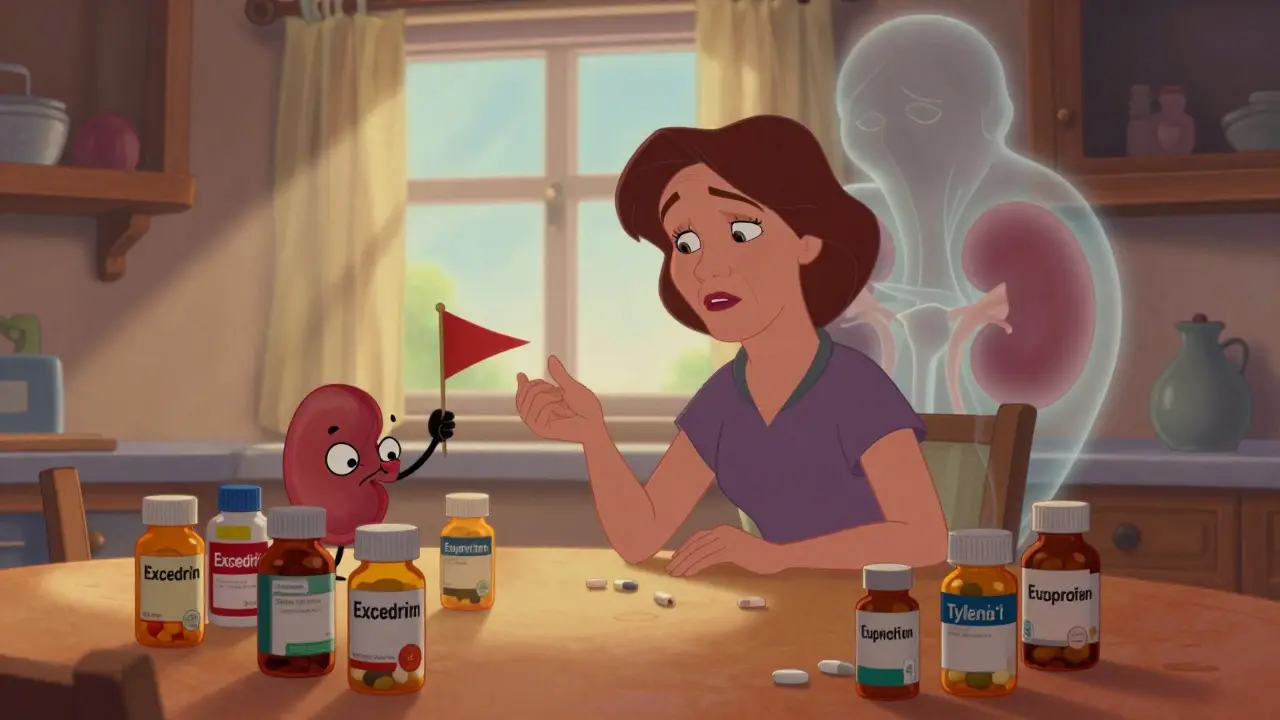
Women make up 72% of diagnosed cases. Why? Many take daily painkillers for migraines or period pain, often without realizing the risk. A Reddit user named "ChronicPainWarrior99" shared that they took 8-10 Excedrin Migraine tablets a day for seven years before their kidney function dropped to 45%-a level that puts them at high risk for kidney failure. They didn’t feel sick until it was advanced.
How Do You Know If It’s Happening?
The worst part? There are no early symptoms.
Most people don’t feel anything until their kidneys are already damaged. By then, common signs include:
- High blood pressure that’s hard to control
- Unexplained fatigue
- Swelling in ankles or feet
- Frequent urination at night
- Dark or foamy urine
But here’s the reality: 68% of patients are diagnosed only after routine blood tests show elevated creatinine levels. That’s how silent this is. Doctors don’t always check kidney function unless you’re older or have other health issues. And even then, many patients don’t connect their daily painkillers to the problem.
Advanced imaging like a noncontrast CT scan can show calcified papillae-a telltale sign of long-term damage. But by the time that shows up, the kidneys are already scarred.
NSAIDs vs. Acetaminophen: Which Is Safer?
Many assume acetaminophen (Tylenol) is the safe choice for kidneys. It’s not that simple.
NSAIDs reduce blood flow to the kidneys by 25-40% at normal doses. That’s enough to stress them over time. Acetaminophen doesn’t do that-but it’s not harmless. A 2020 study in Kidney International Reports found that taking more than 4,000 mg of acetaminophen daily for five years increased chronic kidney disease risk by 68% compared to non-users. That’s the daily maximum dose recommended on the bottle. So even "safe" use can be dangerous if it’s daily and long-term.
Worse, combination products are far riskier. A 2018 meta-analysis found that pills with two or more active ingredients-especially if they include caffeine or codeine-are 3.7 times more likely to cause kidney damage than single-ingredient painkillers. That’s why Excedrin, Goody’s Powder, and similar products are so dangerous. Caffeine narrows blood vessels. Codeine adds another layer of stress. Together, they’re a perfect storm for your kidneys.
What Should You Use Instead?
You don’t have to suffer. There are safer ways to manage pain.
1. Start with Non-Drug Options
The American College of Rheumatology recommends trying physical therapy, heat therapy, or cognitive behavioral therapy for at least 4-6 weeks before turning to pills. Heat wraps like ThermaCare have been shown to reduce osteoarthritis pain by 40-60% without any kidney risk. Acupuncture and massage also help many people with chronic back or joint pain.
2. Use Topical NSAIDs
If you need an NSAID, skip the pills. Use a gel or patch. Topical diclofenac (Voltaren Gel) delivers the pain relief directly to the sore spot-without flooding your bloodstream. A 2021 trial showed it worked just as well as oral NSAIDs for joint pain, but with zero decline in kidney function after 12 weeks. It’s a game-changer.
3. Stick to Strict Limits
If you must take oral NSAIDs:
- Never take more than 1,200 mg of ibuprofen per day
- Never take more than 750 mg of naproxen per day
- Don’t use them more than 3 days a week without talking to your doctor
- Avoid all combination products
- Never exceed 3,000 mg of acetaminophen per day
The FDA updated labels in 2020 to warn about kidney risks-but most people still don’t read them.
4. Consider Alternatives
For chronic migraines, prescription CGRP inhibitors like Aimovig or Emgality are effective and kidney-safe-but expensive ($650/month). For mild pain, some people turn to CBD oil. A 2022 JAMA Internal Medicine study found no kidney damage at doses under 1,500 mg/day, but long-term data is still lacking. Don’t assume it’s safe just because it’s "natural."
How to Protect Your Kidneys
If you’ve been taking painkillers regularly for years, here’s what to do now:
- Stop daily NSAIDs and combination products immediately.
- Get a basic kidney check: serum creatinine, eGFR, and urine albumin test.
- If your eGFR is below 60, ask for a referral to a nephrologist.
- Monitor your blood pressure daily.
- If you’re on chronic pain meds, get kidney tests every 6 months-even if you feel fine.
Early detection saves kidneys. A 2022 study followed 142 patients who stopped taking painkillers after diagnosis. Seventy-three percent had their kidney function stabilize and never got worse. That’s not a miracle. That’s prevention.
Why This Isn’t Getting More Attention
Pharmaceutical companies don’t advertise the risks. Doctors don’t always ask about OTC meds. And patients? They think "over-the-counter" means "safe." A Cedars-Sinai survey found 62% of people with analgesic nephropathy didn’t believe their painkillers could hurt their kidneys. That’s the real epidemic: misinformation.
Every year, 15,000-20,000 new cases of chronic kidney disease in the U.S. are tied to painkiller overuse. That’s more than half the number of new kidney cancer cases. And yet, you won’t see ads about it on TV. You won’t hear your pharmacist warn you. You have to know this on your own.
What’s Changing?
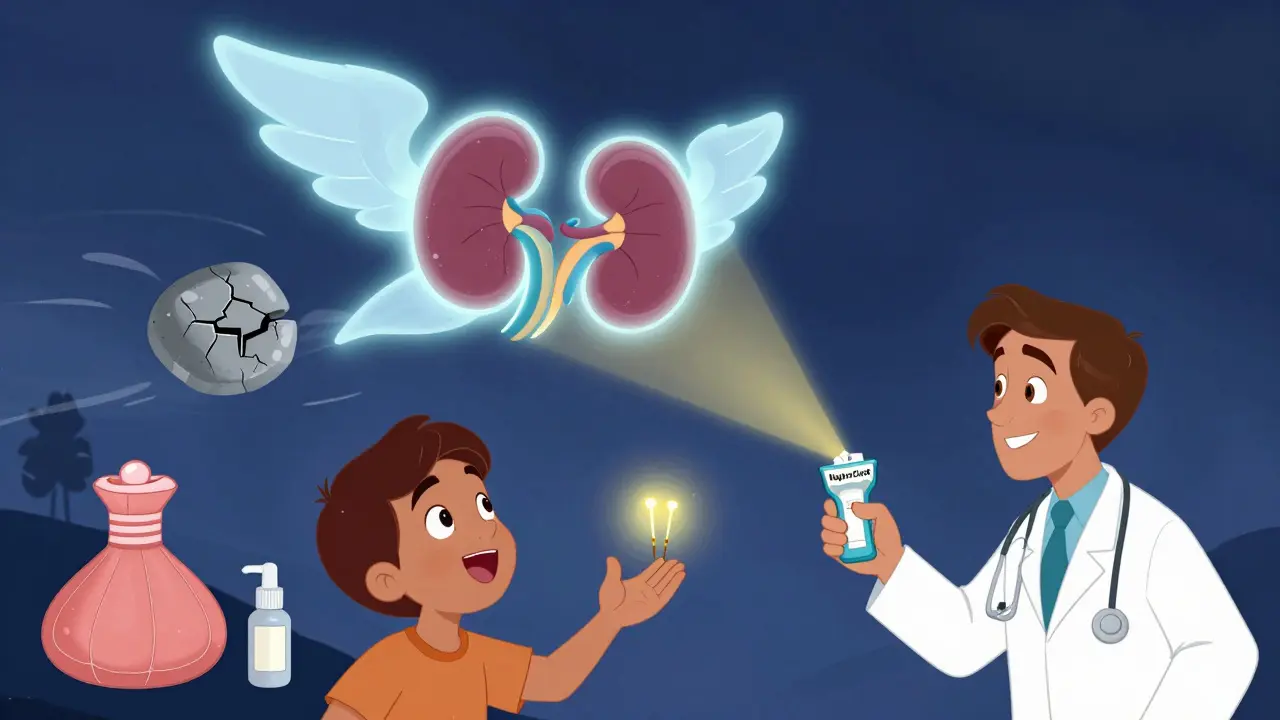
Good news: the tide is turning. In January 2023, the FDA approved the first point-of-care urine test-NephroCheck-that can detect early kidney damage from painkillers with 92% accuracy. That means your doctor could spot trouble before you even feel symptoms.
Researchers are also working on new drugs. AstraZeneca’s selepressin, currently in Phase II trials, reduces the kidney blood flow drop caused by NSAIDs by 35%-without making the painkiller less effective. If it works, it could be a breakthrough.
But until then, the best protection is simple: know the risks. Use less. Choose smarter. And never assume a pill is harmless just because you can buy it without a prescription.
Can I still take ibuprofen if I have high blood pressure?
If you have high blood pressure, you should avoid daily ibuprofen. NSAIDs can raise blood pressure and reduce kidney function, making hypertension harder to control. If you need pain relief, try topical diclofenac gel, heat therapy, or acetaminophen (no more than 3,000 mg/day). Always check with your doctor before using any painkiller if you have hypertension or kidney disease.
Is acetaminophen safe for kidneys?
Acetaminophen is less harmful to kidneys than NSAIDs, but it’s not risk-free. Taking more than 3,000-4,000 mg daily for five years or more increases chronic kidney disease risk by nearly 70%. The danger comes from long-term daily use, not occasional use. Stick to the lowest dose for the shortest time. Never combine it with alcohol or other liver-stressing drugs.
How long does it take for painkillers to damage kidneys?
There’s no fixed timeline, but damage builds up over years. People who take 6 or more pills a day for 3+ years are at highest risk. Some develop signs in 2-4 years; others take 10+ years. The key isn’t how long you’ve been taking them-it’s how much you’ve taken in total. Cumulative use matters more than duration.
Can kidney damage from painkillers be reversed?
If caught early-before scarring sets in-stopping the painkillers can stop further damage and sometimes improve kidney function. A 2022 study showed 73% of patients stabilized after quitting. But once the kidney tissue is scarred, the damage is permanent. The goal isn’t reversal-it’s prevention. Don’t wait for symptoms.
Should I get tested for kidney damage if I take painkillers regularly?
Yes-if you’ve taken NSAIDs or combination painkillers daily for more than 3 years, or if you’re over 45, have high blood pressure, or are a woman managing chronic pain, you should get a simple blood test (serum creatinine and eGFR) and a urine test for protein. These cost under $50 and take minutes. It’s the easiest way to protect your kidneys before it’s too late.