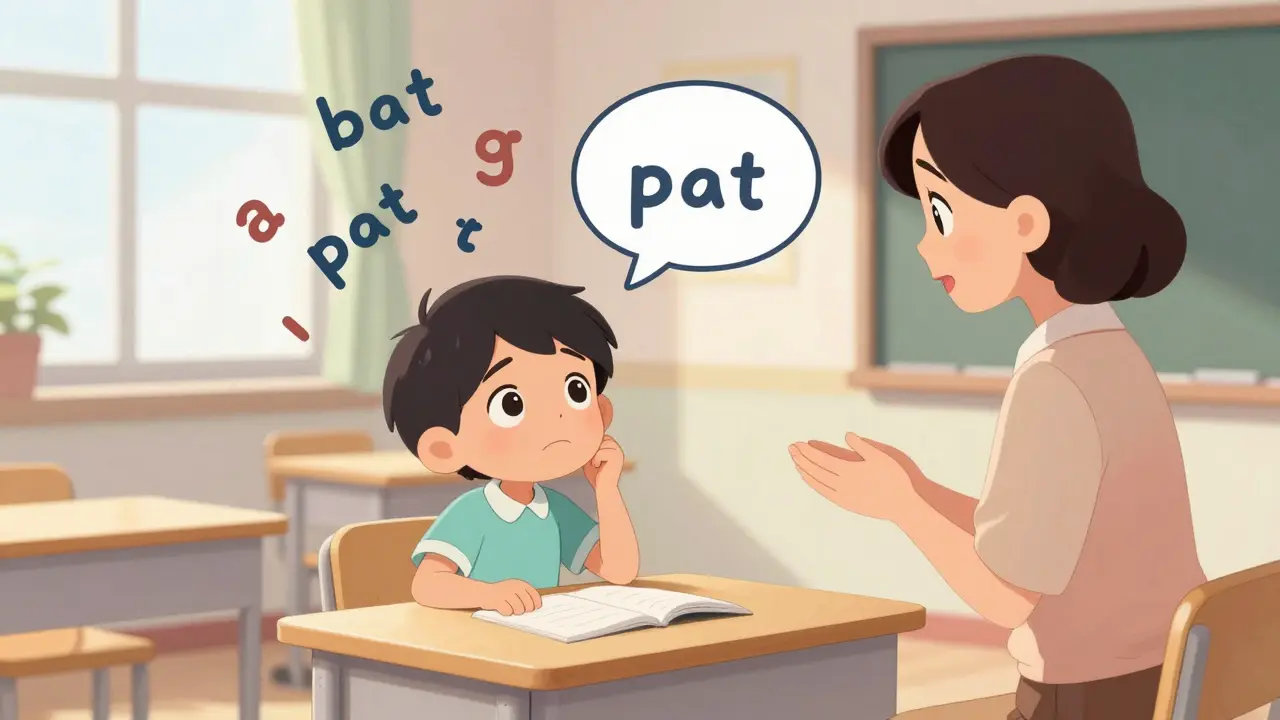
Imagine sitting in a classroom while the teacher speaks, but the words feel like they’re slipping through your fingers. You hear them-your ears work fine-but the meaning doesn’t stick. You miss instructions, mix up similar-sounding words, and feel exhausted after just 20 minutes of conversation. This isn’t daydreaming. It’s not laziness. It’s auditory processing disorder-a hidden challenge that affects how the brain makes sense of sound.
What Is Auditory Processing Disorder?
Auditory Processing Disorder (APD), sometimes called Central Auditory Processing Disorder (CAPD), isn’t a hearing problem. Your ears pick up sound perfectly. The issue lies in your brain’s ability to organize and interpret what those sounds mean. Think of it like a faulty internet connection: the signal arrives, but the data gets scrambled before it reaches your screen. This condition shows up most often in school-aged children, but adults can have it too. About 3% to 5% of kids are affected, with boys diagnosed twice as often as girls. Many go undiagnosed because standard hearing tests come back normal. That’s the trick: APD isn’t about volume. It’s about clarity under pressure-like trying to follow a conversation in a busy café or catching every word in a lecture with background noise. The American Speech-Language-Hearing Association (ASHA) defined APD in 2005 as a specific problem in the brain’s central auditory system. It’s not ADHD, not dyslexia, and not a language delay-but it often shows up alongside them. In fact, nearly half of children with learning disabilities also have APD.How APD Shows Up in Daily Life
People with APD don’t just struggle to hear. They struggle to understand. Here’s what that looks like in real life:- Asking “What?” or “Can you repeat that?” constantly-even in quiet rooms.
- Mixing up words like “bat” and “pat,” or “dog” and “log,” because the brain can’t tell them apart.
- Getting lost in multi-step directions like, “Get your jacket, put your shoes on, and grab your lunchbox.”
- Feeling overwhelmed in noisy places: cafeterias, parties, or busy classrooms.
- Needing extra time to respond in conversations because the brain is still processing the last sentence.
- Reading and spelling problems, not because of vision or intelligence, but because phonics-the link between sounds and letters-is hard to grasp.
Why APD Is Often Misdiagnosed
APD looks a lot like other conditions. That’s why so many kids get labeled as “inattentive” or “lazy.”- ADHD: About 30% to 40% of kids with APD also show attention issues. But here’s the difference: ADHD is about focus. APD is about confusion. A child with APD isn’t ignoring you-they’re literally hearing your words differently, like listening through static.
- Dyslexia: Around 25% to 35% of kids with APD also have trouble with reading. That’s because both involve processing sound. Dyslexia affects how sounds connect to letters. APD affects how sounds are picked up in the first place.
- Language disorders: These are about understanding meaning, grammar, or vocabulary. APD is about the raw sound signal before meaning even begins.
How APD Is Diagnosed
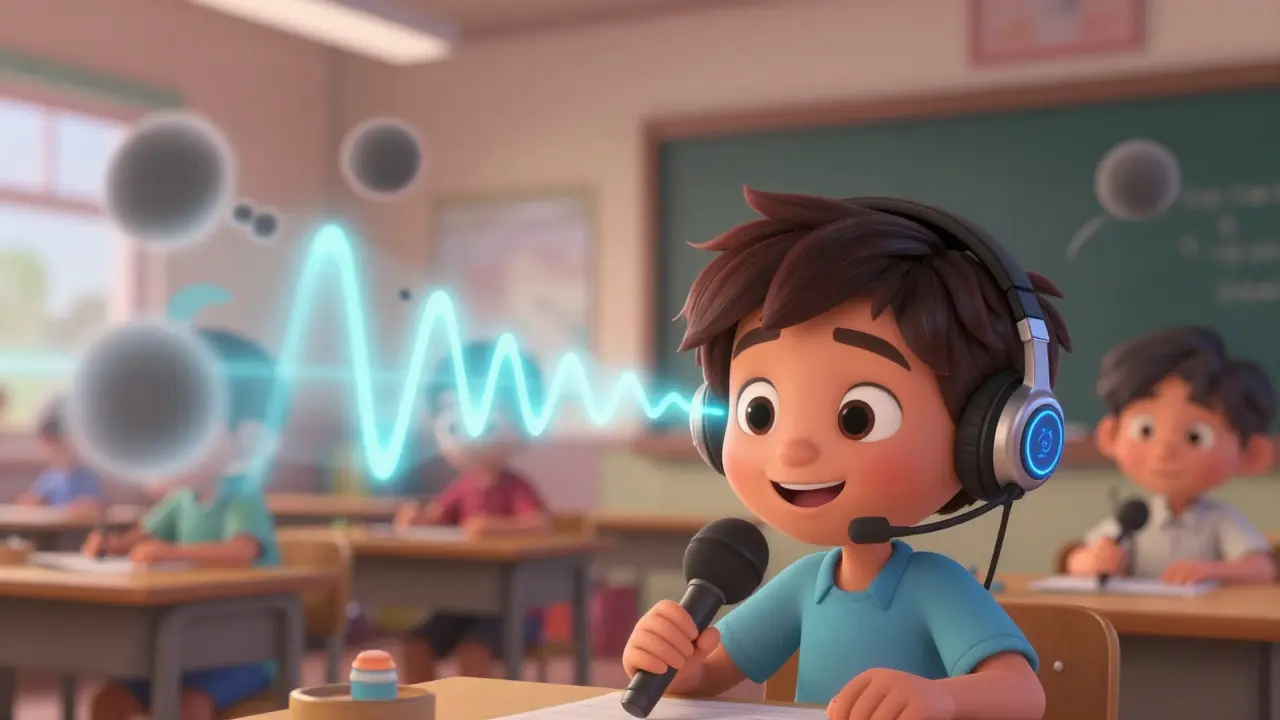
A regular hearing test won’t catch APD. You need specialized tests that check how the brain handles sound under different conditions. These aren’t available at every clinic. You need an audiologist who specializes in central auditory processing. Common tests include:- Dichotic Digits Test: You hear different numbers in each ear at the same time. Your brain has to split and process both. People with APD often mix them up.
- Pitch Pattern Sequence Test: You listen to rising and falling tones and repeat the pattern. Trouble here points to problems with sound timing and rhythm.
- Random Gap Detection Test: You hear two clicks with a tiny pause between them. Your brain has to detect how short that pause is. Kids with APD often miss gaps that neurotypical brains catch easily.
Types of APD and What They Mean
APD isn’t one-size-fits-all. Experts break it into four main types, each with different brain patterns:- Decoding Deficit: Trouble telling similar sounds apart-like “b” and “d.” Linked to left-brain processing issues. This is the most common type.
- Tolerance-Fading Memory Deficit: Can’t hold onto spoken information, especially if it’s muffled or delayed. Often tied to temporal lobe function.
- Auditory Integration Deficit: Struggles when both ears get different messages. Think trying to follow a conversation while someone whispers beside you.
- Prosodic Deficit: Misses tone, sarcasm, or emotion in speech. Might not realize someone’s angry or joking because they don’t pick up on pitch changes.
What Helps: Practical Support Strategies
There’s no pill for APD. But there are powerful, proven ways to help. Environmental changes:- Preferential seating-within 3 to 6 feet of the teacher.
- Sound-field amplification systems in classrooms, which reduce background noise by 15 to 20 decibels.
- Using FM systems: a small mic on the speaker sends clear audio directly to earphones or a hearing aid.
- Reducing background noise at home: turn off the TV during homework, close windows on busy streets.
- Break instructions into single steps.
- Use visual aids: written directions, charts, diagrams.
- Give extra time to respond-don’t rush.
- Repeat and rephrase: “So what I’m asking you to do is…”
- Auditory training: Programs like Earobics use computer games to train the brain to distinguish sounds. Studies show 40% to 60% improvement in discrimination skills.
- Speech-language therapy: Focuses on listening strategies, memory, and self-advocacy. One 2022 review found 70% of kids improved academically after this.
- Self-advocacy skills: Teaching kids to say, “I need you to speak slower,” or “Can you write that down?”
Support in School and Work
In the U.S., kids with APD qualify for accommodations under IDEA or Section 504. That means schools must provide what’s needed-like extra time on tests, note-takers, or assistive tech. But here’s the problem: only 35% of kids who need support actually get it. Teachers often don’t know what APD is. Parents have to fight for it. Adults with APD face similar challenges. In meetings, they miss key points. In phone calls, they misunderstand clients. One adult shared: “I once thought my boss said ‘submit the report by Friday’-it was ‘submit it by Monday.’ I lost my bonus.” Workplace solutions include noise-canceling headphones, captioning for video calls, and asking for written summaries after meetings.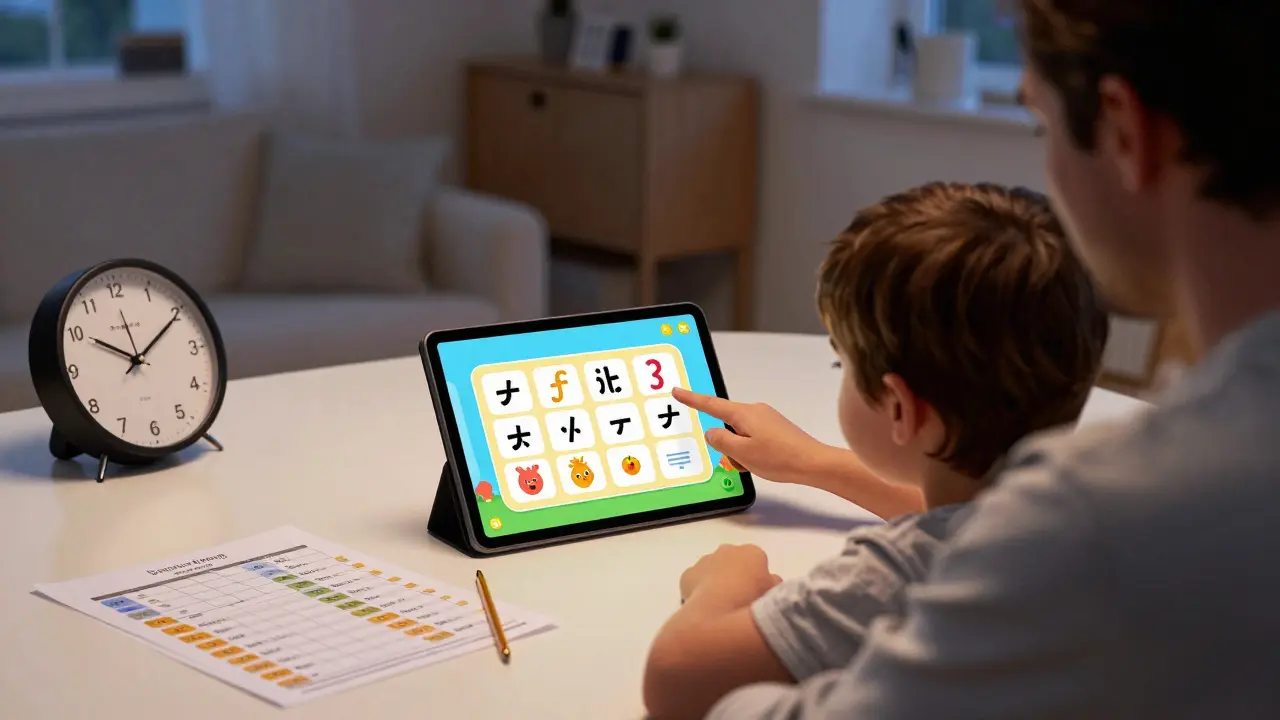
What Doesn’t Work
There’s a lot of noise out there about APD. Here’s what to ignore:- Special diets: No evidence that cutting sugar or gluten helps APD.
- Eye exercises: APD is about hearing, not vision.
- “Just listen harder”: That’s like telling someone with a broken leg to just walk faster.
- Medication: No drugs treat APD directly. Stimulants for ADHD won’t fix auditory processing.
Long-Term Outlook
The good news? With the right help, most kids with APD catch up. A 10-year study from the University of Florida found that 80% of children who got early intervention developed strong coping strategies and succeeded in school. But here’s the catch: 45% of those same adults still struggle in noisy workplaces as adults. APD doesn’t go away. But the brain learns to compensate. With tools, understanding, and support, people with APD don’t just survive-they thrive.When to Seek Help
If you or your child:- Consistently misunderstands spoken instructions
- Struggles in noisy environments
- Has unexplained reading or spelling problems
- Is labeled as “inattentive” but doesn’t respond to ADHD treatment
- Feels exhausted after listening for short periods
APD isn’t a life sentence. It’s a wiring quirk-and like any quirk, it can be managed with the right tools.
Is auditory processing disorder the same as hearing loss?
No. Hearing loss means the ears can’t detect sound well-usually shown on a standard audiogram. APD means the ears work fine, but the brain struggles to interpret what the ears hear. Someone with APD will pass a hearing test but still miss words in a noisy room.
Can adults be diagnosed with APD?
Yes. While APD often shows up in childhood, many adults go undiagnosed until they hit environments with high listening demands-like meetings, lectures, or group conversations. Adult-onset APD can also result from head trauma, chronic ear infections, or aging-related changes in brain processing.
Is APD genetic?
There’s strong evidence of a genetic link. Children with a parent who has APD are 50% more likely to develop it. Studies also show higher rates in families with a history of language or learning difficulties, suggesting shared neurological patterns.
Can APD be cured?
There’s no cure, but the brain can learn to adapt. With the right interventions-like auditory training, environmental changes, and teaching self-advocacy-people with APD develop strong coping skills. Many go on to succeed in school, careers, and relationships.
How is APD different from dyslexia?
Dyslexia is a language-based learning disorder that affects reading and spelling, often because the brain has trouble connecting sounds to letters. APD affects the very first step: how the brain receives and sorts sound. Someone with APD might mishear the word “cat” as “cap,” which then leads to spelling errors-making it look like dyslexia. But the root cause is different.
What should I do if I think my child has APD?
Start by talking to your child’s teacher and pediatrician. Ask for a referral to a certified audiologist who specializes in central auditory processing. Avoid jumping to conclusions-APD needs formal testing. Don’t rely on school screenings alone. Early, accurate diagnosis opens the door to effective support.
If you’ve ever felt like you’re constantly playing catch-up in conversations, you’re not alone. APD is invisible-but its impact is real. And with the right understanding, it doesn’t have to hold you back.