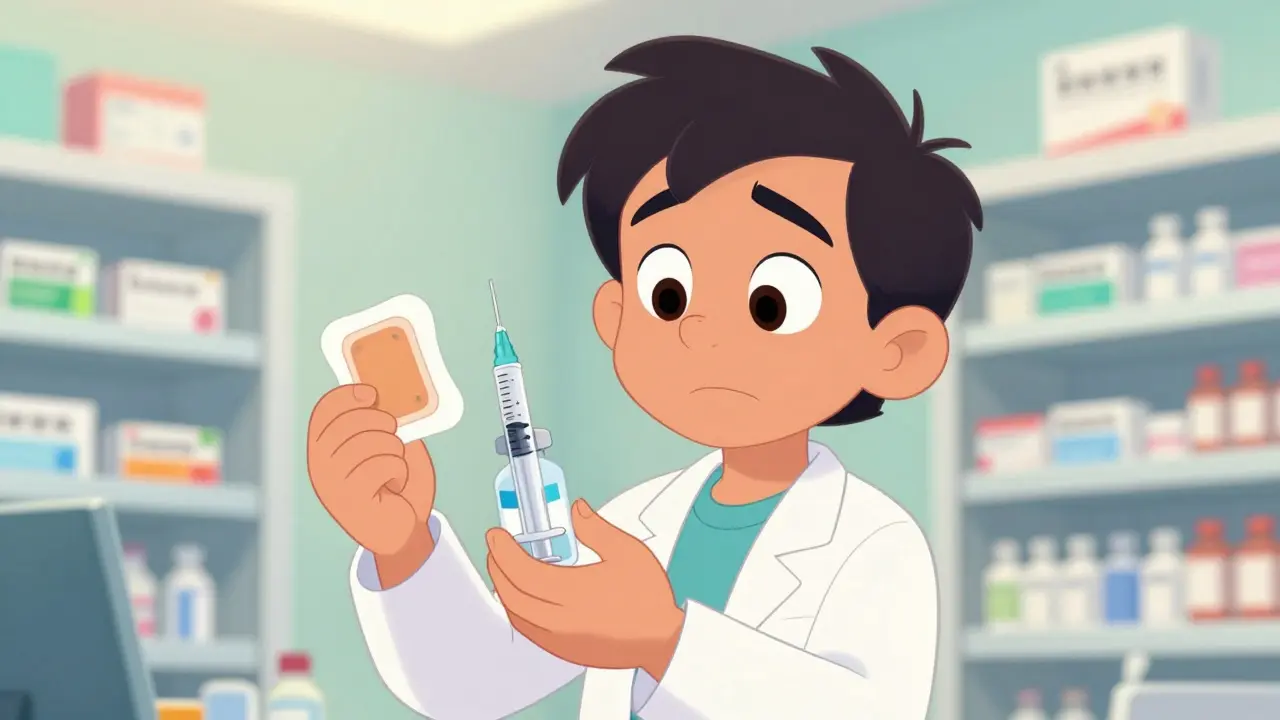
Most people know that taking too many pills can be dangerous. But what if the danger isn't just about how much you take, but how your body absorbs it? When we talk about overdose prevention, we often focus on street drugs or accidental mix-ups with standard tablets. We rarely stop to think about the unique mechanics of patches, liquids, and extended-release capsules. These formulations are designed for convenience and steady pain relief, but they come with hidden traps. A single misstep-like cutting a patch or crushing a time-release pill-can turn a prescribed dose into a lethal event in minutes.
This guide breaks down exactly why these specific medication forms carry distinct risks and gives you practical, actionable steps to stay safe. Whether you are managing chronic pain yourself or caring for someone who is, understanding the biology behind these delivery systems is your first line of defense.
The Hidden Danger of Transdermal Patches
Transdermal patches, such as those delivering fentanyl or buprenorphine, work by releasing medication slowly through the skin into the bloodstream. This method bypasses the digestive system, providing steady levels of drug over 72 hours or more. It sounds perfect, right? The problem lies in human curiosity and desperation. People sometimes try to "speed up" the process or extract extra medication from a used patch.
You must never cut, chew, or heat a transdermal patch. Heating a patch-even slightly, like placing it under a heating pad or near a radiator-increases blood flow to the skin and causes the patch to release its entire contents at once. This can deliver a massive, concentrated dose of opioid directly into your system, leading to rapid respiratory depression (slowed breathing) and overdose. Similarly, trying to squeeze out remaining liquid from a used patch exposes you to unpredictable amounts of residue. What looks like an empty patch might still hold enough potent medication to cause harm, especially if you have low tolerance.
- Apply correctly: Use only on clean, dry, hairless skin on flat areas like the chest, back, or upper arm. Avoid areas where belts or tight clothing might rub against the patch, as friction generates heat.
- Rotate sites: Do not apply a new patch to the same spot where the previous one was removed. Wait at least 14 days before reusing that skin area to prevent irritation and ensure consistent absorption.
- Dispose safely: Fold the patch in half so the sticky sides touch, then flush it down the toilet if instructed by your pharmacist, or place it in a disposal lockbox. Never throw loose patches in the trash where children or pets could access them.
Liquid Medications: The Dosing Trap
Liquid opioids, such as morphine sulfate oral solution or codeine syrups, are often prescribed for elderly patients or those who cannot swallow pills. They seem harmless because they look like cough syrup. However, liquid medications pose a severe risk due to measurement errors and concentration confusion.
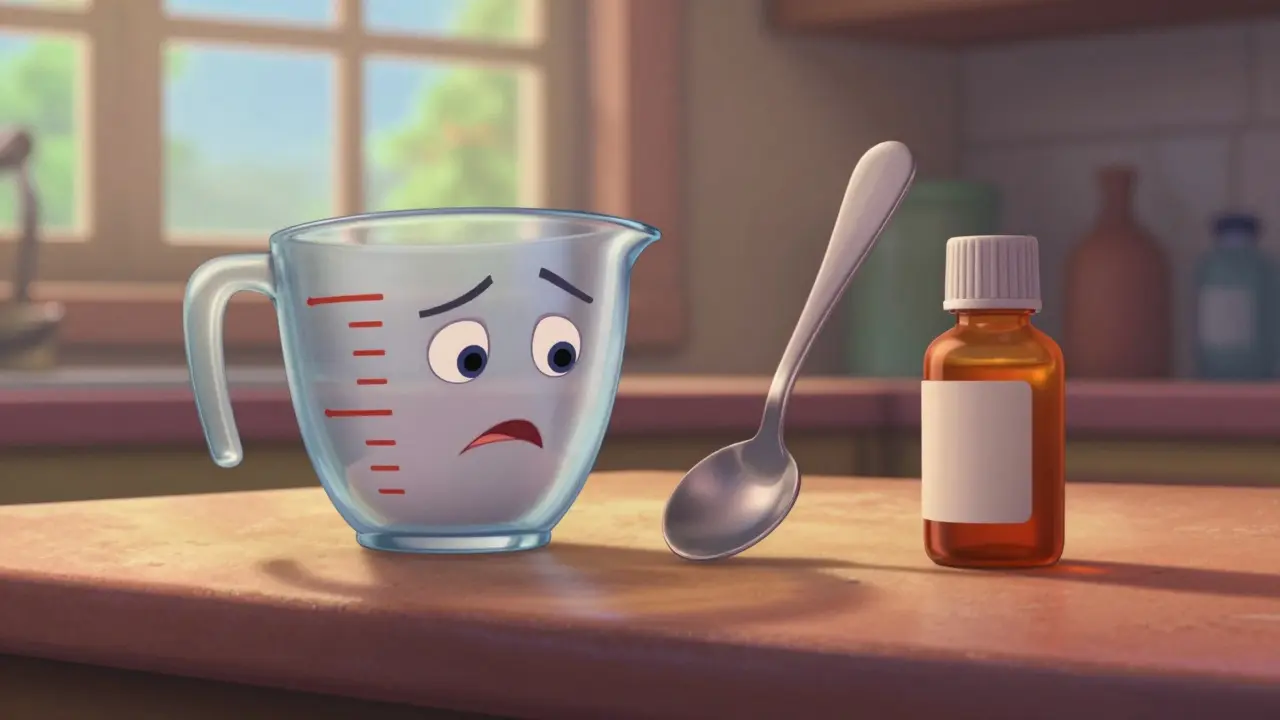
The biggest mistake people make is using household spoons instead of calibrated measuring devices. A teaspoon from your kitchen drawer is not precise. It can vary by 20% or more depending on how you scoop it. With potent opioids, that variance can mean the difference between relief and toxicity. Furthermore, manufacturers change concentrations. One brand might offer 10mg per 5mL, while another offers 20mg per 5mL. If you switch brands without checking the label, you could accidentally double your dose.
To prevent overdose with liquids, follow these strict rules:
- Use only provided tools: Always use the oral syringe, dosing cup, or dropper that comes with the medication. If you lose it, ask your pharmacist for a replacement. Do not estimate.
- Check the concentration: Every time you pick up the bottle, read the strength (e.g., mg/mL). Write this number on a calendar or phone reminder if you take multiple medications.
- Shake well: Some suspensions settle. Failing to shake the bottle thoroughly can result in a dose that is either too weak or dangerously strong if the sediment concentrates at the bottom.
- Label clearly: Keep liquids in their original containers. Pouring medicine into water bottles or juice glasses leads to accidental ingestion by others, including children.
Extended-Release Formulations: Don't Break the Seal
Extended-release (ER), sustained-release (SR), or controlled-release (CR) medications are engineered to dissolve slowly over 12 to 24 hours. This design keeps pain levels stable and avoids the "high" associated with immediate-release drugs. However, this engineering becomes a weapon if tampered with.
If you crush, chew, or dissolve an extended-release tablet or capsule, you destroy the time-release mechanism. Instead of releasing medication gradually, the entire daily dose hits your system simultaneously. This is known as "dose dumping." For example, crushing an OxyContin (oxycodone ER) tablet releases weeks' worth of opioid potential in seconds. This sudden surge overwhelms the brain's respiratory centers, causing breathing to stop.
Even swallowing whole isn't always safe if combined with other factors. Alcohol significantly increases the absorption rate of some ER formulations. Taking an ER opioid with a beer or wine can accelerate release and amplify sedation effects, leading to unconsciousness and overdose.
| Medication Form | Common Tampering Method | Immediate Consequence | Prevention Strategy |
|---|---|---|---|
| Transdermal Patch | Cutting, heating, chewing | Rapid full-dose absorption; respiratory arrest | Never alter physical state; keep away from heat sources |
| Liquid Solution | Using kitchen spoons; ignoring concentration changes | Unpredictable dosing; accidental overdose | Use only calibrated syringes/cups; verify mg/mL every time |
| Extended-Release Pill | Crushing, chewing, dissolving | Dose dumping; lethal spike in blood levels | Swallow whole; never split unless scored and approved by doctor |
Naloxone: Your Emergency Brake
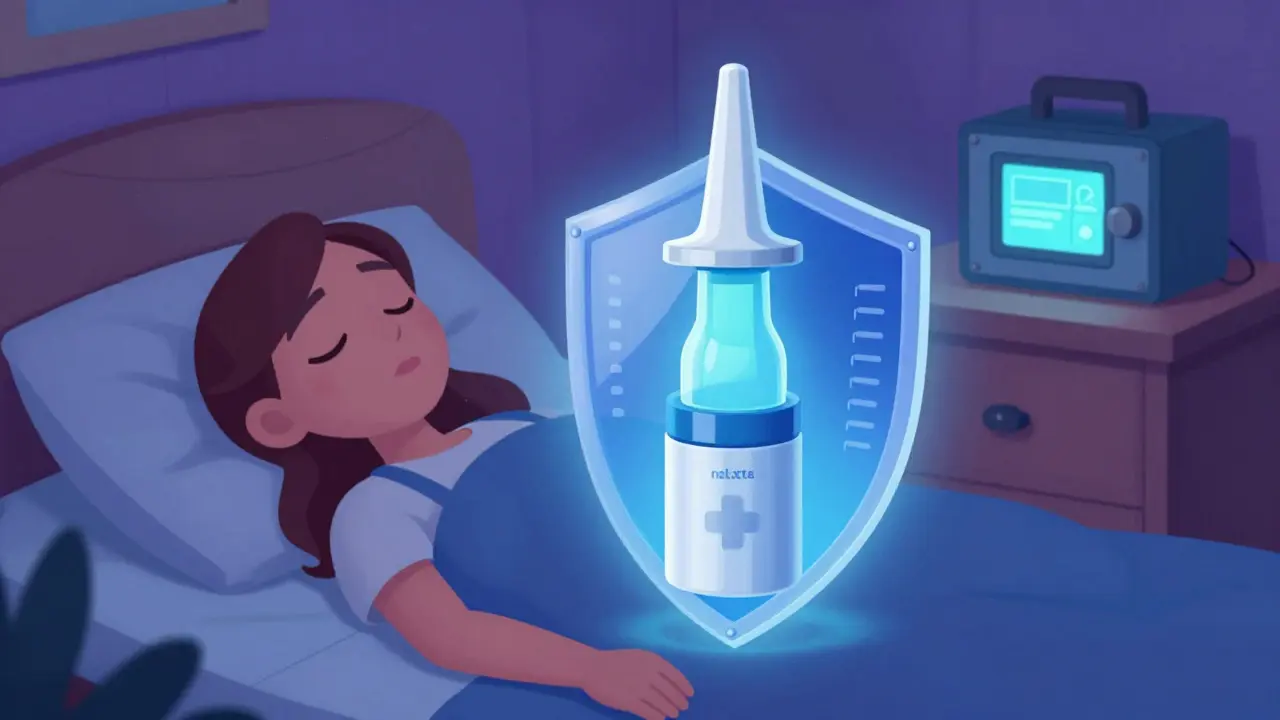
No matter how careful you are, accidents happen. That’s why having naloxone (Narcan) is non-negotiable. Naloxone is an opioid antagonist, meaning it kicks opioids off the receptors in your brain and restores normal breathing. It is available as a nasal spray or injection and requires no medical training to use.
Here is the critical nuance most people miss: Naloxone wears off faster than extended-release medications. Standard naloxone lasts 30 to 90 minutes. An extended-release opioid can stay active for 12 to 24 hours. If you administer naloxone to someone overdosing on an ER drug, they may wake up, but as the naloxone fades, the remaining opioid in their system can knock them back out. This is called "renarcotization."">
To mitigate this risk:
- Have multiple doses: Keep at least two or three naloxone kits on hand. You may need to repeat the dose every few minutes until emergency services arrive.
- Call 911 immediately: Naloxone is a bridge, not a cure. Professional medical monitoring is essential, especially for ER overdoses.
- Practice recovery position: If the person is unconscious but breathing, roll them onto their side to prevent choking on vomit.
Storage and Disposal: Protecting Your Household
Overdose isn't just about intentional misuse. Accidental ingestion by children, pets, or well-meaning family members is a major cause of tragedy. Patches look like band-aids. Liquids look like juice. Pills look like candy. Curiosity kills.
Store all controlled substances in a locked box or cabinet. Do not rely on child-proof caps alone; determined teens or curious toddlers can open them. Consider using a digital lockbox that connects to your phone, allowing you to track when medication is accessed.
When medication is no longer needed, do not leave it in the bathroom cabinet. Host or attend local drug take-back events. In the UK and US, pharmacies often have secure drop boxes. For immediate disposal, the FDA recommends mixing opioids with unpalatable substances like coffee grounds or cat litter, sealing them in a plastic bag, and throwing them in the trash. However, flushing certain high-risk medications (like fentanyl patches) is recommended by the EPA to prevent environmental contamination and accidental retrieval. Check your local guidelines.
Building a Safety Plan
Prevention is proactive, not reactive. Create a written safety plan with your healthcare provider. Discuss your pain management strategy openly. Ask questions like: "Is there a non-opioid alternative?" "Can I lower my dose?" "What are the signs of tolerance buildup?"">
Tolerance develops over time. As your body gets used to the medication, you might feel tempted to increase the dose to get the same effect. This is a slippery slope toward overdose. Instead, consult your doctor about rotating medications or adding adjuvant therapies like physical therapy or nerve blocks.
Finally, educate those around you. Tell your partner, roommate, or close family member where your naloxone is kept and how to use it. Remove the stigma. Saving a life is more important than pride.
Can I cut an extended-release pill in half?
Only if the pill has a score line (a groove) specifically designed for splitting AND your doctor approves it. Most extended-release capsules and tablets should never be crushed, chewed, or broken, as this destroys the time-release mechanism and causes dose dumping.
Why is heating a fentanyl patch dangerous?
Heat increases blood flow to the skin, which accelerates the absorption of the drug. Applying external heat (like a heating pad, hot tub, or even intense sunlight) can cause the patch to release its entire dose rapidly, leading to a potentially fatal overdose.
What should I do if someone overdoses on an extended-release medication after receiving naloxone?
You must monitor them closely. Because extended-release drugs last longer than naloxone, the person may slip back into overdose (renarcotization) once the naloxone wears off. Have additional naloxone doses ready and seek emergency medical care immediately.
Is it safe to use a kitchen spoon to measure liquid medication?
No. Kitchen spoons are not standardized and can lead to significant dosing errors. Always use the calibrated oral syringe, dosing cup, or dropper provided with the medication to ensure accuracy.
How should I dispose of unused patches or pills?
The safest method is to use a pharmacy take-back program or community drop box. If unavailable, follow FDA guidelines: mix pills with unpalatable substances like coffee grounds, seal in a bag, and trash. For high-risk patches, flushing may be recommended to prevent accidental ingestion by children or pets.