Medication Risk Assessment Tool
Medication Risk Checker
Assess your risk of medication-induced palpitations based on your current medications and health factors
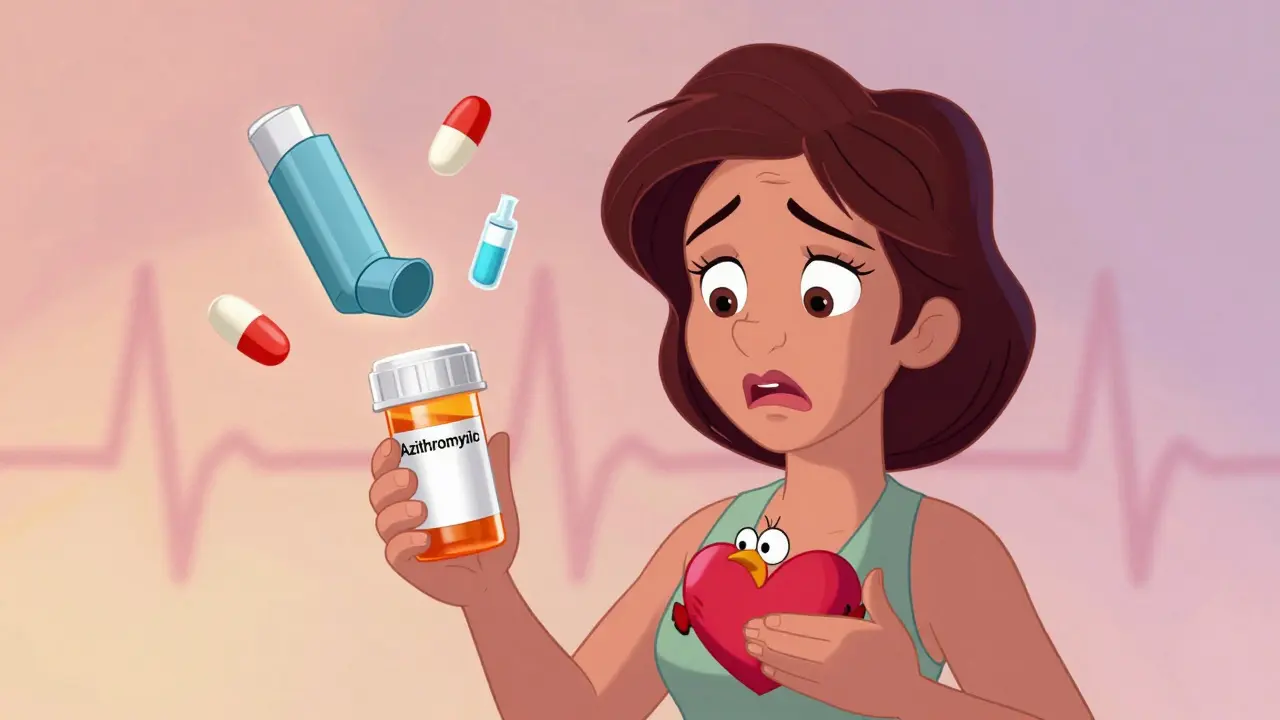
Feeling your heart race for no reason? Like it’s fluttering, pounding, or skipping beats? You’re not alone. Many people notice this after starting a new medication - and most don’t realize the drug might be the cause. Palpitations from medications aren’t rare. In fact, medication-induced palpitations account for up to 20% of all arrhythmia cases seen in clinics. Some drugs, even common ones you pick up at the pharmacy, can mess with your heart’s rhythm in ways you’d never expect.
Which Medications Are Most Likely to Cause Palpitations?
It’s not just heart pills that can trigger this. A surprising number of everyday medications can cause your heart to race. Here are the top offenders, backed by clinical data:- Asthma inhalers like albuterol (Ventolin, ProAir) can spike your heart rate by 15-25 beats per minute within half an hour. That’s normal for some users - but if you’re already prone to heart issues, it can feel alarming.
- Antibiotics such as azithromycin (Zithromax) are known to lengthen the QT interval on an ECG by 30-50 milliseconds. That’s enough to raise your risk of dangerous rhythms by over 2x. Levofloxacin and ciprofloxacin carry similar, though slightly lower, risks.
- Decongestants like pseudoephedrine (Sudafed) are common in cold and allergy meds. At standard doses (60mg), they can push your heart rate up by 10-20 bpm. Phenylephrine does the same, just a bit less.
- Thyroid meds like levothyroxine (Synthroid) cause palpitations in 8-12% of users - especially when the dose is too high. If your TSH drops below 0.1 mIU/L, your heart is likely reacting.
- Antidepressants such as amitriptyline (a tricyclic) can stretch the QT interval by 40-60ms. Even SSRIs like citalopram (Celexa) can do it at doses above 40mg/day, particularly in older adults.
- Newer weight-loss drugs like semaglutide (Ozempic, Wegovy) may seem safe, but clinical trials show they raise resting heart rate by 3-5 bpm. For most, it’s harmless. For others, it’s the start of something worse.
What’s scary is that many of these are taken without a heart check. People don’t realize that a simple ECG before starting could prevent serious trouble.
How Doctors Evaluate Medication-Induced Palpitations
If you’re having palpitations and you’re on meds, your doctor won’t just guess. They’ll follow a clear, step-by-step process - and you should expect it.First, they’ll ask for a full list of everything you’re taking: prescriptions, over-the-counter drugs, vitamins, herbal supplements, even cough syrups. About 70% of drug-induced rhythm problems start within 72 hours of a new medication or dose change.
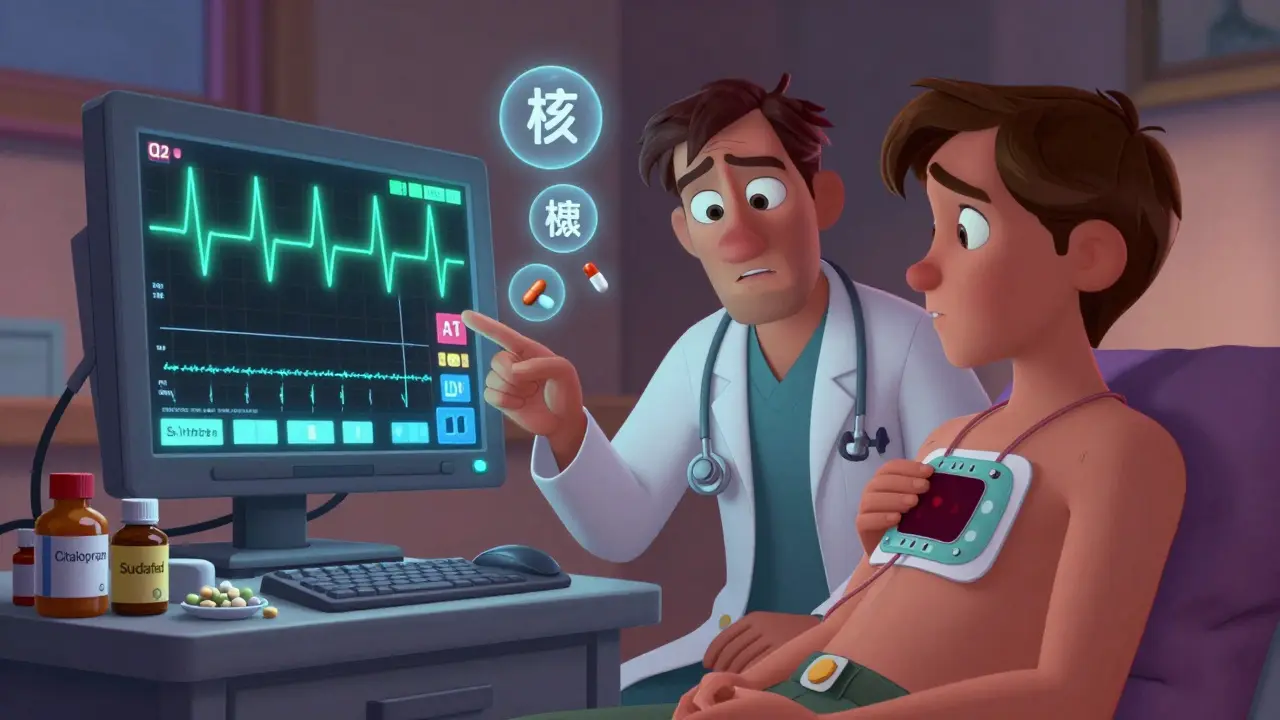
Then comes the ECG. A 12-lead ECG checks your QT interval - the time it takes your heart to recharge between beats. Normal is under 450ms for men, 460ms for women. If it’s over 500ms, or if it’s increased by more than 60ms from your baseline, you’re at high risk for torsades de pointes - a life-threatening rhythm.
If the resting ECG looks normal but you’re still having symptoms, you might get a Holter monitor - a portable device worn for 24 to 48 hours. It catches irregular beats that don’t show up during a quick office visit. About 35-45% of cases are only found this way.
Blood tests are next. Low potassium (below 3.5 mmol/L) or low magnesium (below 1.7 mg/dL) make your heart way more sensitive to bad rhythms. Thyroid levels (TSH) are checked too - especially if you’re on levothyroxine.
There’s also a risk tool used in hospitals called the Brigham and Women’s Medication-Induced Arrhythmia Risk Assessment. It scores you based on age, sex, existing heart disease, and how many QT-prolonging drugs you’re on. A score above 5 means you need immediate attention.
What to Do If Your Medication Is Causing Palpitations
The good news? Most cases can be fixed without stopping your treatment entirely.Mild cases: If your QT interval is under 500ms and you’re not dizzy or passing out, your doctor might just keep you on the drug but monitor you closely. Weekly ECGs, checking your electrolytes, and avoiding other QT-prolonging meds can be enough.
Moderate cases: If you’re having symptoms like dizziness or your QT is between 480-500ms, the first step is lowering the dose. Studies show 60-70% of people feel better within 72 hours after reducing the amount. For example, switching from 40mg of citalopram to 20mg often eliminates palpitations without losing antidepressant benefits.
High-risk cases: If your QT is over 500ms, you’ve had a fainting spell, or you’ve had a dangerous rhythm like torsades - the drug must be stopped immediately. In hospitals, this is non-negotiable. Over 95% of institutions follow this rule.
But you don’t have to go without treatment. Alternatives exist:
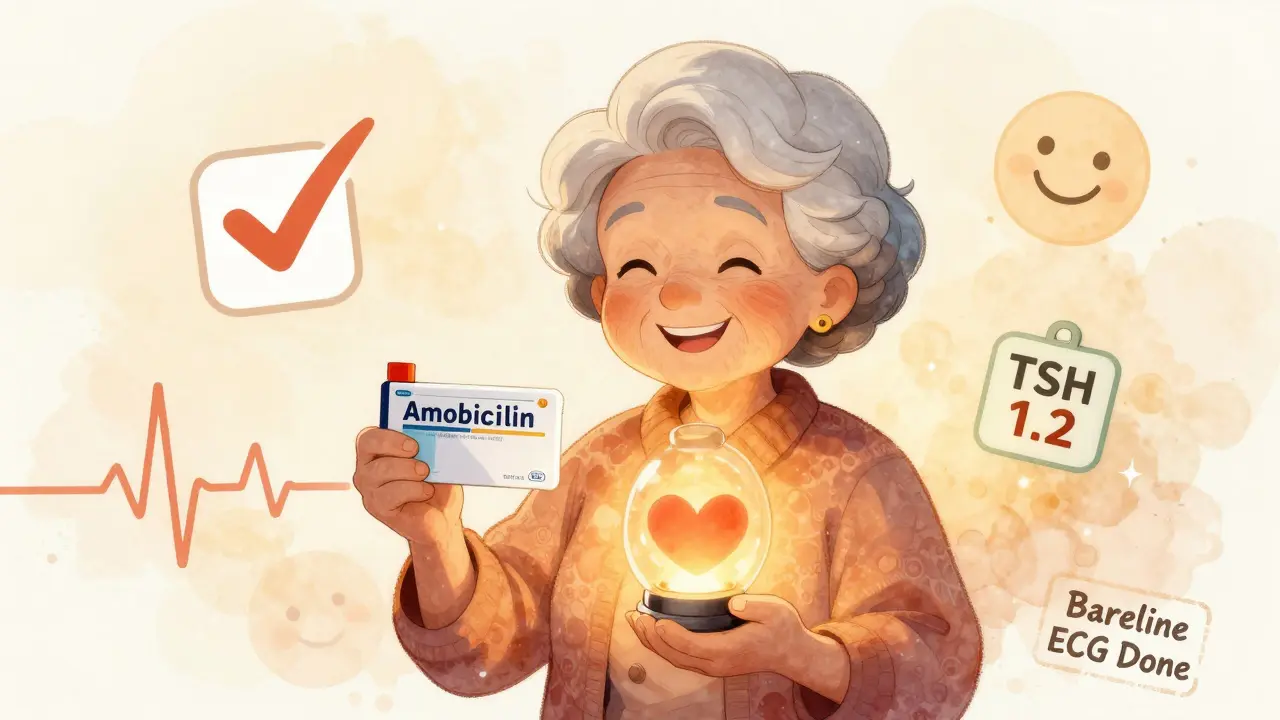
- Need an antibiotic? Amoxicillin has a 0.8% risk of arrhythmia. Azithromycin? 2.9%. The difference is huge.
- Thyroid replacement? Keep TSH between 0.5 and 2.0 mIU/L. That cuts palpitations from 12% down to 4.3%.
- On antidepressants and can’t switch? Beta-blockers like metoprolol (25-50mg daily) can block the heart’s response to the drug - and studies show they reduce arrhythmia risk by 45% in cancer patients on risky chemo.
Prevention Is the Best Strategy
The most effective way to avoid medication-induced palpitations? Don’t wait for symptoms.Since January 2024, 92% of U.S. academic hospitals have adopted the American Heart Association’s Prevention Protocol. It requires four things before starting high-risk meds:
- A baseline ECG within 30 days of starting the drug.
- Electrolyte levels (potassium, magnesium) checked within 7 days.
- Education on what symptoms to watch for.
- A follow-up ECG within 7 days if your baseline QT was over 430ms.
Electronic health records now have built-in alerts. If you’re prescribed azithromycin and your QT is already 480ms, the system flags it. Pharmacists get notified. The prescription won’t fill without a doctor’s override.
And it’s not just hospitals. The FDA now requires boxed warnings on labels for drugs like azithromycin, telling doctors they can increase heart-related death risk in people with existing heart disease.
Experts like Dr. James Tisdale say simple ECG screening before starting high-risk drugs could prevent 15,000-20,000 serious events each year in the U.S. alone. That’s not theoretical - it’s data.
What Patients Are Saying - Real Stories
Real people are sharing their experiences online. On Reddit’s r/Cardiology, 78% of 142 reported cases involved antibiotics - especially azithromycin. One user wrote: “Started Zithromax for a sinus infection. Day 2, my heart felt like it was trying to escape my chest. I thought I was having a panic attack. Turned out it was the drug.”On Drugs.com, 63% of 1,247 reviews for pseudoephedrine mention palpitations or rapid heartbeat. Many say it hits hardest at night - “waking up with my heart pounding like a drum.”
One woman on Patient.info, on levothyroxine, said: “I’d wake up gasping. My heart was racing. My doctor said my TSH was 0.04. We cut my dose. Two weeks later, I felt normal again.”
And then there’s the success story: a 68-year-old woman on citalopram who had daily palpitations. Her cardiologist switched her to sertraline - same antidepressant effect, no heart issues. Palpitations vanished in 10 days.
What You Can Do Right Now
You don’t need to wait for a crisis. Here’s what to do if you’re on meds and feeling your heart race:- Keep a symptom journal. Note the time you take each pill and when palpitations happen. Look for patterns. Did it start after the third dose? Right after lunch?
- Check your pulse. Use a smartwatch or your fingers. If your heart rate is consistently over 100 bpm at rest, it’s worth mentioning to your doctor.
- Don’t self-diagnose. Palpitations can be anxiety, caffeine, or something serious. Only a doctor can tell the difference.
- Ask: “Could this drug be affecting my heart?” Especially if you’re over 65, female, have kidney disease, or are on more than one heart-affecting medication.
- Get a baseline ECG. If you’re starting a new drug like azithromycin, levothyroxine, or an antidepressant, ask for one before you begin.
There’s no shame in asking. Many doctors assume you know to ask. But if you don’t, they might not think to offer it.
Red Flags: When to Go to the ER
Not every flutter is an emergency. But some signs mean you need help now:- Palpitations with chest pain or pressure
- Dizziness, fainting, or near-fainting
- Shortness of breath that doesn’t go away
- Heart rate over 140 bpm at rest
- Feeling like your heart is “stuttering” or skipping in a pattern
If you have any of these, go to the ER. Don’t wait. Medication-induced torsades de pointes can turn fatal in minutes.
Can over-the-counter cold meds cause palpitations?
Yes. Decongestants like pseudoephedrine (found in Sudafed) and phenylephrine can raise your heart rate by 10-20 beats per minute. Even if you’re healthy, taking more than the recommended dose - or combining them with caffeine or stimulants - can trigger palpitations. Always check the label for these ingredients if you have a history of heart rhythm issues.
Is it safe to keep taking azithromycin if I feel my heart racing?
No. If you feel palpitations after starting azithromycin, stop the medication and contact your doctor immediately. Azithromycin can prolong your QT interval and increase your risk of torsades de pointes, especially if you’re over 65, have low potassium, or are on other heart-affecting drugs. Your doctor can switch you to a safer antibiotic like amoxicillin.
Can levothyroxine cause heart palpitations even if my TSH is normal?
Yes. Even if your TSH is in the “normal” range, if it’s below 0.1 mIU/L, your body is getting too much thyroid hormone. This can overstimulate your heart, causing palpitations, rapid heartbeat, or even atrial fibrillation. The goal isn’t just “normal” TSH - it’s 0.5 to 2.0 mIU/L for most people on thyroid replacement.
Are women more at risk for medication-induced palpitations?
Yes. Women have a 20-30% higher risk than men for drug-induced QT prolongation and torsades de pointes. This is partly due to hormonal differences and slower drug metabolism. The risk increases even more after menopause. If you’re a woman on any medication known to affect heart rhythm, ask your doctor about baseline ECG testing.
Can I take beta-blockers to prevent palpitations from my medication?
In some cases, yes. For patients who must continue a high-risk drug - like certain cancer treatments - doctors often prescribe low-dose beta-blockers like metoprolol (25-50mg daily). This doesn’t stop the drug’s effect on the heart, but it reduces how hard your heart beats in response. Studies show it cuts arrhythmia risk by 45%. Never start a beta-blocker on your own - it needs medical supervision.
What’s the safest antibiotic if I have a history of heart palpitations?
Amoxicillin is the safest choice. It has a 0.8% risk of causing arrhythmias. Azithromycin carries a 2.9% risk, levofloxacin 1.7%, and ciprofloxacin 1.2%. If you’ve had palpitations before, ask your doctor to avoid macrolides (azithromycin, clarithromycin) and fluoroquinolones (levofloxacin, moxifloxacin). Amoxicillin works just as well for most infections and doesn’t affect your heart rhythm.
What’s Next for Patients and Doctors?
The future is moving toward precision. Researchers are testing genetic tests to find who’s most at risk - like people with CYP2D6 poor metabolizer status, who process certain drugs much slower. These patients are 3.4 times more likely to have dangerous heart reactions to beta-blockers and antidepressants.In Europe, a 50,000-patient registry is being built to track drug-induced arrhythmias across 15 countries. Results will update guidelines by late 2025.
For now, the best thing you can do is be informed. Know what you’re taking. Ask about heart risks. Keep track of symptoms. And never ignore a racing heart - especially if it started after a new pill.