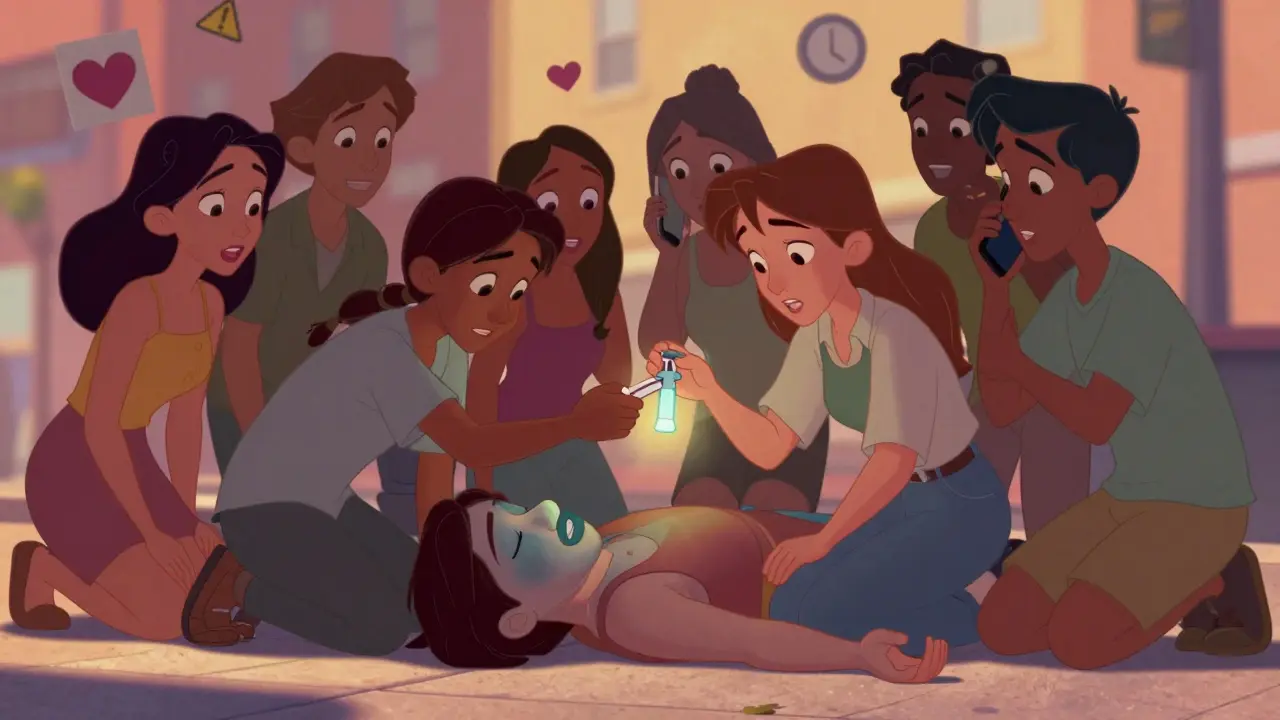
Every minute counts when someone overdoses on opioids. Breathing slows. Skin turns blue. The person doesn’t wake up-not even when you shake them hard or shout their name. This isn’t just drug use gone wrong. It’s a medical emergency that can kill in under five minutes. But here’s the truth: naloxone can bring someone back. And you don’t need to be a doctor to use it.
What Happens During an Opioid Overdose?
Opioids-like heroin, fentanyl, oxycodone, or morphine-bind to receptors in your brain that control breathing. When too much enters the system, those receptors get overloaded. The brain stops telling the lungs to breathe. Oxygen drops. Brain cells start dying. Within minutes, the person slips into unconsciousness. Without help, they die. This isn’t rare. In 2023, over 87,000 people in the U.S. died from opioid overdoses. Fentanyl, a synthetic opioid 50 to 100 times stronger than morphine, is behind most of those deaths. It’s often mixed into other drugs without the user’s knowledge. Even a tiny amount can shut down breathing.How to Spot an Opioid Overdose
You don’t need special training to recognize the signs. Look for these three key symptoms:- Unresponsive-No reaction to loud noises, shaking, or pain (like rubbing your knuckles hard on their sternum).
- Abnormal breathing-Breaths are slow, shallow, or stopped. Fewer than 2 breaths every 15 seconds. Some people make gurgling or snoring sounds-this is called the "death rattle" and means their airway is blocked.
- Cyanosis-Lips, fingernails, or skin turn blue, purple, or gray. On darker skin tones, this may look ashen or grayish, not blue.
What Naloxone Does-and Doesn’t Do
Naloxone is a medication that reverses opioid overdoses. It works by kicking opioids off the brain’s receptors and taking their place. It doesn’t work on alcohol, cocaine, or benzodiazepines. But if opioids are involved, it can bring someone back to life in minutes. It’s not a cure. It’s a bridge. Naloxone lasts 30 to 90 minutes. Many opioids, especially fentanyl, last much longer. That means the person can slip back into overdose after naloxone wears off. That’s why calling 911 is just as important as giving the drug. Naloxone is safe. Even if you give it to someone who didn’t take opioids, it won’t hurt them. There’s no risk of overdose from naloxone itself. If you’re unsure, give it anyway.How to Administer Naloxone
There are two main ways to give naloxone: nasal spray and injection. Both work fast.Using Naloxone Nasal Spray (like Narcan)
- Call 911 immediately. Don’t wait. Tell them it’s a suspected opioid overdose.
- Place the person on their back. Tilt their head back slightly to open the airway.
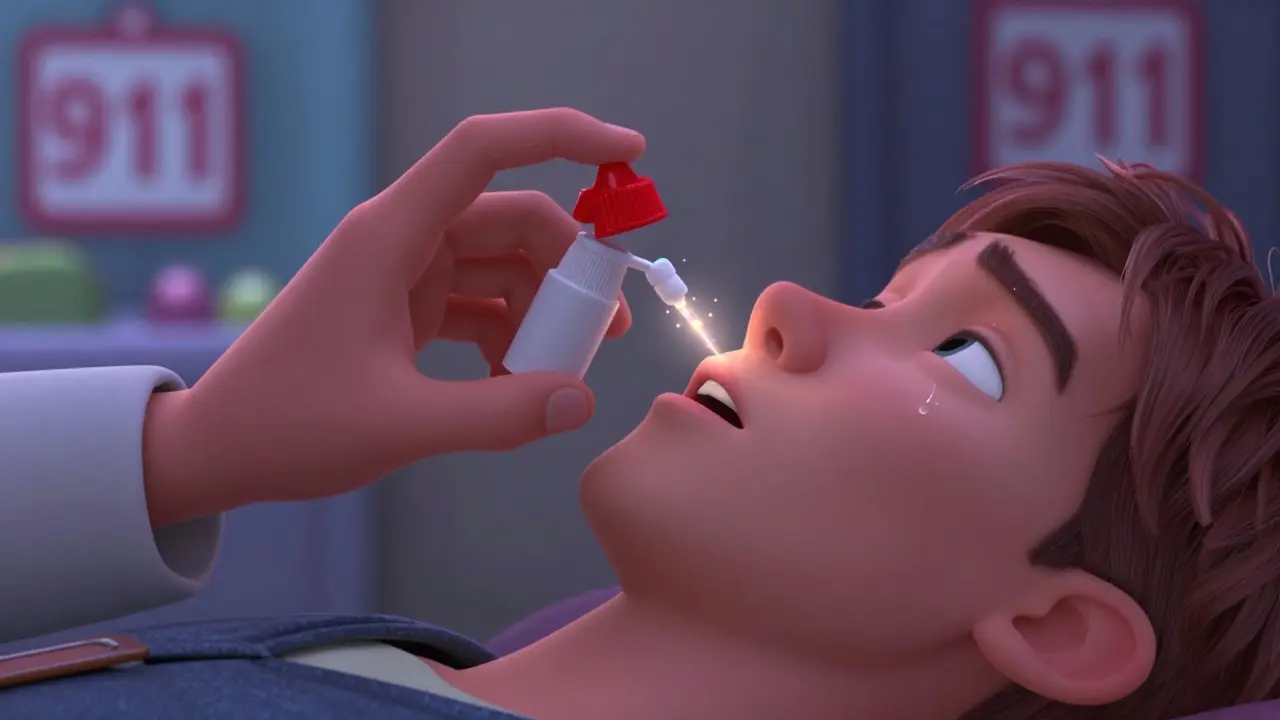
- Remove the cap from the spray. Insert the nozzle into one nostril.
- Press the plunger firmly to deliver the full dose.
- If there’s no response after 2 to 3 minutes, give a second dose in the other nostril.
Using Naloxone Injection
If you have an auto-injector (like Evzio) or a syringe:- Call 911.
- Inject into the outer thigh-through clothing if needed.
- Hold for 5 seconds to ensure full delivery.
- If no response after 3 minutes, give a second dose.
What to Do After Giving Naloxone
Giving naloxone isn’t the end. It’s the beginning.- Stay with them. They may wake up confused, angry, or in pain. Stay calm. Reassure them.
- Keep them breathing. If they’re not breathing well, start rescue breathing. Give one breath every 5 seconds. Watch for chest rise.
- Put them in the recovery position. Once they’re breathing on their own, roll them onto their side. This keeps their airway open if they vomit.
- Don’t leave them alone. Even if they seem fine, they can overdose again. Emergency responders need to monitor them.
Why Naloxone Isn’t Enough
Naloxone saves lives. But it doesn’t fix the problem. The opioid crisis isn’t solved by giving out more sprays. It’s solved by giving people access to treatment-medication-assisted therapy like methadone or buprenorphine, counseling, housing, and support. Dr. Nora Volkow, director of the National Institute on Drug Abuse, says naloxone is a tool, not a solution. The CDC estimates that widespread naloxone distribution has prevented 27,000 deaths in the U.S. since 2019. But without treatment, many people will overdose again. That’s why many health programs now pair naloxone distribution with fentanyl test strips, peer support, and referrals to treatment. In places like Vancouver and Philadelphia, naloxone is available in libraries, public restrooms, and community centers-not just pharmacies.Who Should Have Naloxone?
Anyone who uses opioids, knows someone who does, or works in a place where overdoses happen should have naloxone. That includes:- People who take prescription opioids, especially above 50 morphine milligram equivalents per day (that’s about 10 oxycodone 5mg pills daily).
- Family members or friends of people with opioid use disorder.
- First responders, social workers, teachers, and librarians.
- People who use drugs alone.
Common Mistakes People Make
Even with good intentions, people mess up. Here’s what not to do:- Stopping after one dose. Fentanyl overdoses often need two or three doses.
- Assuming they’re fine after waking up. Rebound overdose is real. They need medical care.
- Waiting to call 911. Don’t wait to see if naloxone works. Call right away.
- Trying to sober them up with cold water, caffeine, or stimulants. These don’t help. They can kill.
- Not storing naloxone properly. Heat and light break it down. Keep it at room temperature, away from direct sun. Don’t leave it in a hot car.
Legal Protection for Bystanders
Many people hesitate to act because they fear arrest. In 47 U.S. states and all Canadian provinces, Good Samaritan laws protect people who call for help during an overdose. You can’t be arrested for possession if you’re seeking help. These laws aren’t perfect. Enforcement varies. But they exist. And they’ve saved lives. If you’re unsure, call anyway. Emergency responders aren’t there to arrest-they’re there to save.Real Stories, Real Impact
One person in Massachusetts used naloxone three times in 2022. Each time, the person woke up. The first reversal took four minutes. The second needed two doses because the heroin was laced with fentanyl. In Texas, a woman gave Narcan to her brother after he stopped breathing. He coughed and woke up 90 seconds later. The EMTs told her: "Two more minutes, and he wouldn’t have made it." These aren’t rare. They’re common. And they happen because someone didn’t look away.Where to Get Naloxone
You can get naloxone at:- Pharmacies (no prescription needed in the U.S. and Canada)
- Harm reduction centers
- Community health clinics
- Online through organizations like Next Distro or GetNaloxoneNow.org
Final Thought
You don’t need to be brave to save a life. You just need to act. If you see someone who’s unresponsive and not breathing properly, give them naloxone. Call 911. Stay with them. You might be the only reason they wake up. This isn’t about judging people who use drugs. It’s about not letting someone die because no one knew what to do.Can naloxone be used on someone who didn’t take opioids?
Yes, and it won’t harm them. Naloxone only works on opioid receptors. If opioids aren’t in the system, it has no effect. Giving it to someone who overdosed on cocaine, alcohol, or other drugs is safe. If you’re unsure whether opioids are involved, give naloxone anyway.
How long does naloxone take to work?
Naloxone nasal spray usually starts working in 2 to 5 minutes. Full effect takes 5 to 10 minutes. Injection works faster-sometimes in under 2 minutes. If there’s no improvement after 3 minutes, give a second dose. Fentanyl overdoses often require more than one dose.
Is naloxone available for free?
Yes. Many community health centers, harm reduction programs, and public health departments give naloxone kits away for free. Some pharmacies offer them at low cost-sometimes as low as $25. Online programs like Next Distro mail free naloxone to anyone in the U.S. with no questions asked.
Can I carry naloxone in my pocket or car?
Yes, but store it properly. Naloxone loses effectiveness if exposed to heat above 40°C (104°F) or direct sunlight. Don’t leave it in a hot car in summer. Keep it in a cool, dry place like a wallet, purse, or glove compartment. Check the expiration date every few months.
What if the person wakes up angry after naloxone?
It’s common. Naloxone can cause sudden opioid withdrawal, which is painful and scary. The person may be confused, nauseous, or angry. Stay calm. Don’t argue. Reassure them you’re there to help. Keep them safe until emergency responders arrive. Their reaction is a sign the naloxone is working.
Do I need training to use naloxone?
No, but it helps. Most naloxone kits come with simple instructions. YouTube videos from trusted groups like Next Distro or the CDC show exactly how to use nasal spray or injection. Many free online trainings take less than 30 minutes. The key is knowing the signs of overdose and acting fast.
Can naloxone be used on children or elderly people?
Yes. Naloxone is safe for all ages. Children, adults, and seniors can all be reversed with naloxone if they’ve overdosed on opioids. Dosing doesn’t change based on age or weight. One standard dose (4mg nasal spray or 0.4mg injection) is enough for anyone.
Why do some people need multiple doses of naloxone?
Many opioids, especially fentanyl and carfentanil, are extremely potent and stay in the body longer than naloxone. A single dose may reverse the overdose temporarily, but when naloxone wears off, the opioid can rebind to receptors and cause breathing to stop again. That’s why a second or third dose is often needed-especially with fentanyl-laced drugs.