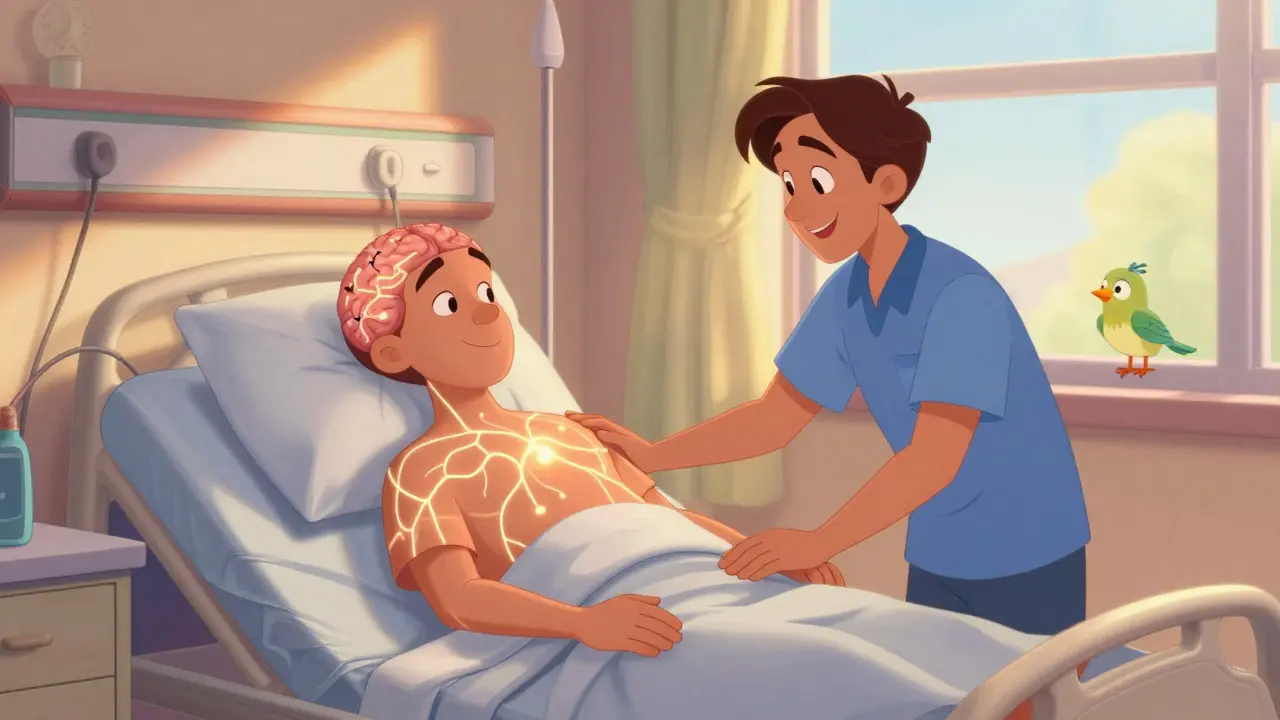
After a stroke, the brain doesn’t just sit still and wait to heal. It rewires itself. But that rewiring doesn’t happen on its own. Without the right kind of therapy, recovery slows down-or stops. The good news? Most people regain some function, even years later. The key is knowing when to start, what to do, and how to keep going.
Recovery Starts the Moment You’re Stable
Too many people think stroke recovery begins when they leave the hospital. That’s a mistake. The first 24 to 48 hours after a stroke are critical. Research shows that starting physical therapy within a day improves mobility outcomes by 35% compared to waiting. This isn’t about pushing through pain-it’s about preventing damage. Lying in bed too long leads to muscle stiffening, joint contractures, and even blood clots. Early movement, even just shifting position in bed or sitting up with help, keeps circulation moving and signals the brain to start healing. Doctors now agree: if you’re medically stable, therapy should begin immediately. That means physical therapists coming to your bedside, helping you move your arms and legs, even if you can’t do it on your own yet. Passive exercises-where someone else moves your limb-are not just routine. They’re science. Doing them two to three times a day reduces the chance of permanent stiffness by up to 50%.The Three Stages of Recovery
Recovery isn’t one process. It’s three distinct phases, each with its own goals and methods. The first is Recovery/Natural Healing. This happens in the first few days to weeks. Swelling in the brain goes down. Some movement returns on its own. You might notice your fingers twitch or your leg respond to a touch. This isn’t therapy-it’s biology. But even here, your actions matter. Staying positioned correctly prevents shoulder subluxation. Keeping your feet aligned stops foot drop from becoming permanent. The second phase is Retraining. This is where therapy kicks into gear. Weeks to months after the stroke, your brain starts building new pathways. This is neuroplasticity in action. But it doesn’t happen by accident. You need repetition. Lots of it. A therapist might have you reach for a cup 50 times in a session. Or practice standing up from a chair 20 times. You’ll use mirrors, visual cues, and even virtual reality to help your brain relearn. Studies show that people who do 30 to 45 minutes of focused task training daily see 28% better arm movement than those who don’t. The third phase is Adaptation. This lasts months, sometimes years. Not every function comes back. That’s okay. The goal now isn’t to fix everything-it’s to live well with what’s left. You might learn to button a shirt with one hand. Use voice commands to turn on lights. Install grab bars in the bathroom. A psychologist helps you deal with frustration, sadness, or anxiety. Family members learn how to support without taking over. This stage isn’t about getting back to who you were. It’s about becoming who you are now-and finding joy in it.The Team That Makes It Work
No single therapist can handle everything. Stroke recovery needs a team. And that team must talk to each other. A physical therapist works on walking and balance. An occupational therapist helps you dress, eat, and shower. A speech-language pathologist fixes swallowing problems and word-finding issues. A psychologist helps with depression-something 30% to 35% of stroke survivors face. A nutritionist makes sure you’re eating right to support healing. A social worker connects you with community resources. The most effective rehab centers hold weekly team meetings. They review progress, adjust goals, and make sure no one’s slipping through the cracks. Facilities with these structured meetings see 22% better outcomes than those without. It’s not about having more staff-it’s about having better communication.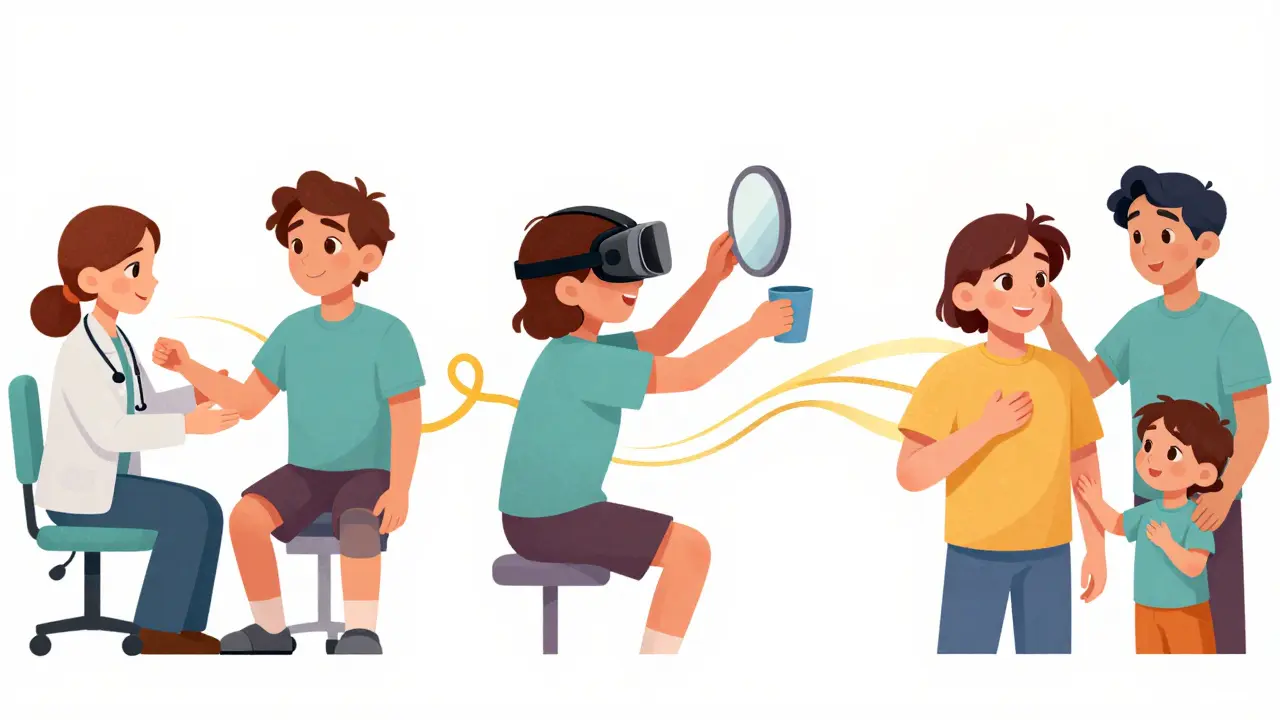
Technology That Helps, Not Hurts
You don’t need fancy gadgets to recover. But some tools make a real difference. Constraint-induced therapy-where you tape your good arm to your side and only use your weaker one-has been shown to improve hand function 30% more than standard therapy. Functional electrical stimulation sends tiny pulses to paralyzed muscles, helping them contract. After 12 weeks, many patients gain 25% to 45% more strength in their wrist and fingers. Robotic devices like the Lokomat help you walk by supporting your body and guiding your steps. People using them improve walking speed by 50% compared to traditional therapy. Virtual reality games that simulate pouring coffee or catching a ball improve upper limb control by 28%. Even simple activity trackers-devices that count your steps-boost daily movement by 32% because they give you feedback and motivation. These aren’t luxuries. They’re tools that make therapy more effective. And many are now covered by insurance if your doctor prescribes them.What Really Drives Success
You can have the best therapist, the fanciest robot, the perfect schedule-but if you’re not motivated, progress stalls. Studies show motivation accounts for up to 40% of recovery success. That doesn’t mean you have to be upbeat every day. It means you show up. You do the exercises, even when you’re tired. You try again after a bad day. You let your family help, even if it’s hard to accept. Other factors matter too. Your pre-stroke fitness level. Your ability to understand instructions. Your support system. Your sleep. Your diet. Depression kills recovery faster than muscle weakness. If you’re not sleeping or eating, or if you’re isolating yourself, your brain doesn’t get the fuel it needs to rebuild.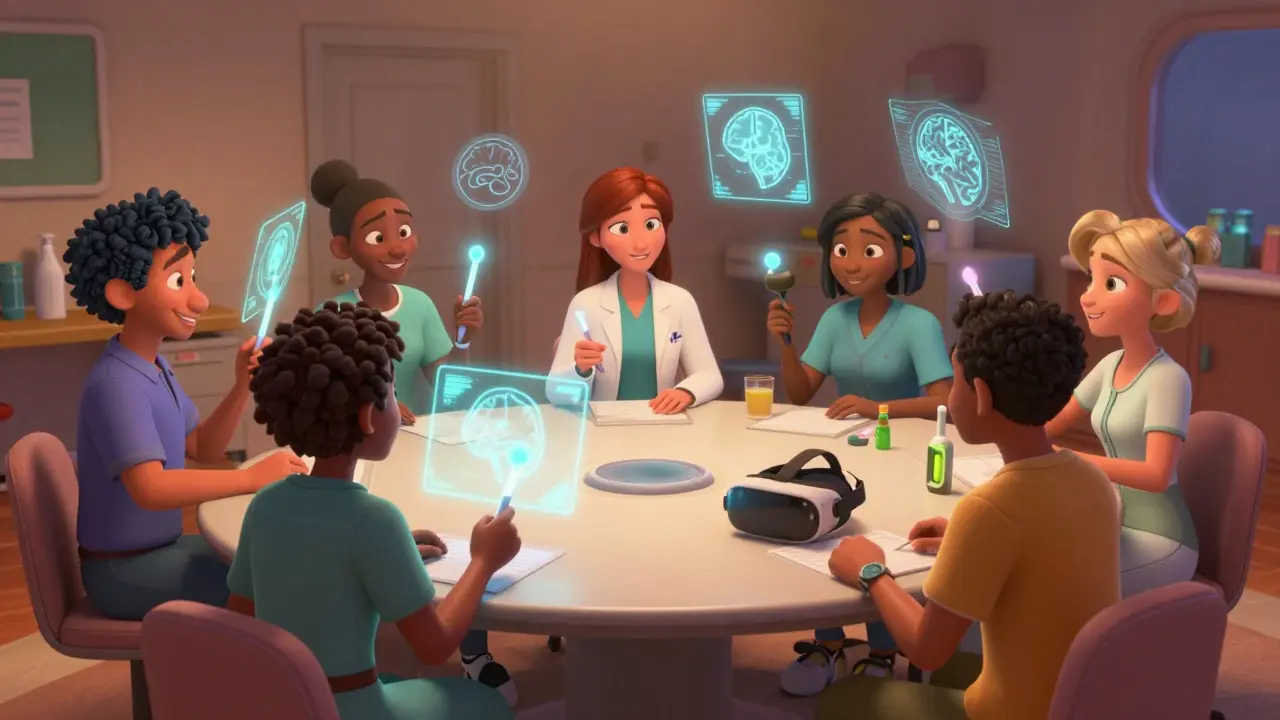
Balance, Rest, and Realistic Goals
Recovery isn’t a sprint. It’s a marathon with rest stops. You need balance. Experts recommend dividing your day into three parts: 40% to 50% for therapy and movement, 30% to 40% for rest and sleep, and 20% to 30% for social connection. Too much therapy leads to fatigue, which slows healing. Too little leads to stiffness and loss of progress. Set small goals. Not “walk again” but “move my toes 5 degrees this week.” Not “talk normally” but “say three words clearly today.” Celebrate those tiny wins. They build confidence. And confidence builds momentum.What Comes After Rehab
Most people leave the rehab facility after 2 to 6 weeks. But that’s not the end. It’s the beginning of the next phase. About 70% of stroke survivors need ongoing therapy. That’s where community programs and telerehabilitation come in. Virtual therapy sessions-done over video call-are just as effective as in-person visits for many exercises. You can do balance training, arm movements, and speech drills from your living room. Home-based programs reduce hospital readmissions and keep you engaged. Keep moving. Keep challenging yourself. Even five years later, your brain can still change. New research shows that combining therapy with non-invasive brain stimulation-like transcranial magnetic stimulation-can boost recovery by 15% to 20%. Medications that boost brain growth factors are being tested. AI is starting to personalize therapy based on your brain scans. Recovery after stroke isn’t about getting back to normal. It’s about building a new normal-one step, one word, one movement at a time. And it’s always possible. As long as you keep going.How soon after a stroke should rehabilitation begin?
Rehabilitation should start as soon as you’re medically stable-often within 24 hours. Early therapy reduces complications like muscle stiffness and blood clots, and improves long-term mobility by up to 35% compared to delayed treatment.
Can you recover from a stroke years later?
Yes. The brain continues to rewire itself for months or even years after a stroke through neuroplasticity. While the fastest recovery happens in the first 3 to 6 months, many people see meaningful improvement years later with consistent, targeted therapy.
What’s the most important factor in stroke recovery?
Motivation. Studies show it accounts for up to 40% of recovery success. Showing up for therapy, doing the exercises, and staying engaged-even on hard days-makes the biggest difference.
Do I need a team of specialists for stroke rehab?
Yes. Stroke affects movement, speech, swallowing, emotions, and daily tasks. A team including physical, occupational, and speech therapists, plus a psychologist and social worker, ensures all areas are addressed. Facilities with structured team meetings see 22% better outcomes.
Is virtual rehab as good as in-person therapy?
For many people, yes. Recent studies show telerehabilitation is 85% as effective as in-person therapy for tasks like balance training, arm exercises, and speech practice. It’s especially helpful for ongoing care after leaving a rehab facility.
How much therapy is enough each day?
The American Stroke Association recommends three hours of therapy, five days a week, for those in inpatient rehab. At home, aim for at least 45 minutes of focused, repetitive practice daily. Quality matters more than quantity, but consistency is key.
What should I do if I feel depressed after my stroke?
Talk to your doctor or therapist. Depression affects 30% to 35% of stroke survivors and slows recovery. Counseling, support groups, and sometimes medication can help. Don’t wait-getting mental health support is part of physical recovery.
Can family members help with stroke rehab?
Absolutely. Family involvement increases adherence to therapy by 37%. They can help with exercises, remind you to move, encourage you on tough days, and learn how to modify your home for safety. But they should avoid doing things for you-instead, help you do them yourself.