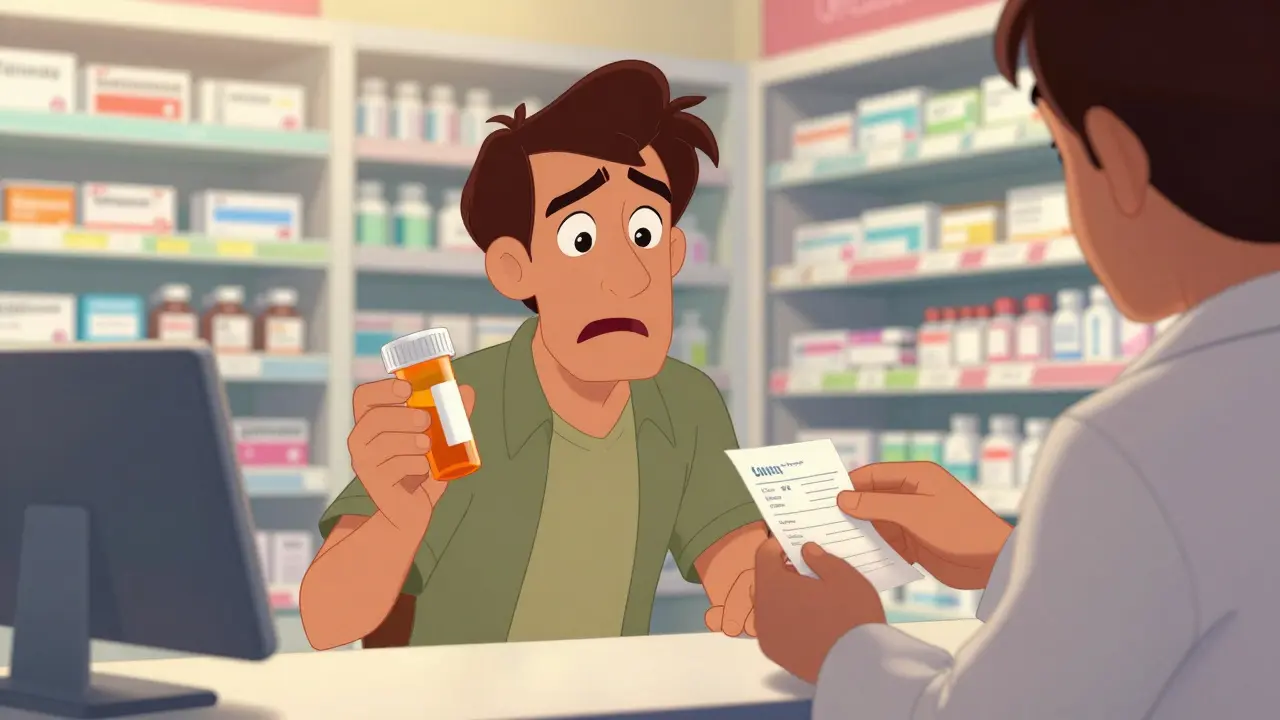
Imagine this: you spend hours comparing health insurance premiums during open enrollment, finally picking a plan that looks affordable on paper. Then, you go to the pharmacy for your monthly blood pressure medication, and the cashier tells you it’s $150 instead of the usual $5. You didn’t change doctors or medications. You just switched plans.
This scenario is far more common than most people realize. When switching health plans, one of the biggest financial traps lies in how new policies handle generic drugs. It’s not enough to look at the monthly premium. The real cost hides in the fine print of the formulary-the official list of covered drugs-and the specific tier structure assigned to your prescriptions.
If you rely on generic medications, understanding these mechanics can save you hundreds, if not thousands, of dollars annually. Let’s break down exactly what to look for so you don’t get caught off guard by surprise bills at the pharmacy counter.
Understanding the Formulary Tier System
To evaluate coverage correctly, you first need to understand how insurers categorize drugs. Most plans use a tiered system, typically ranging from three to five tiers. Think of these tiers like price levels at a grocery store: some items are discounted staples, while others are premium brands.
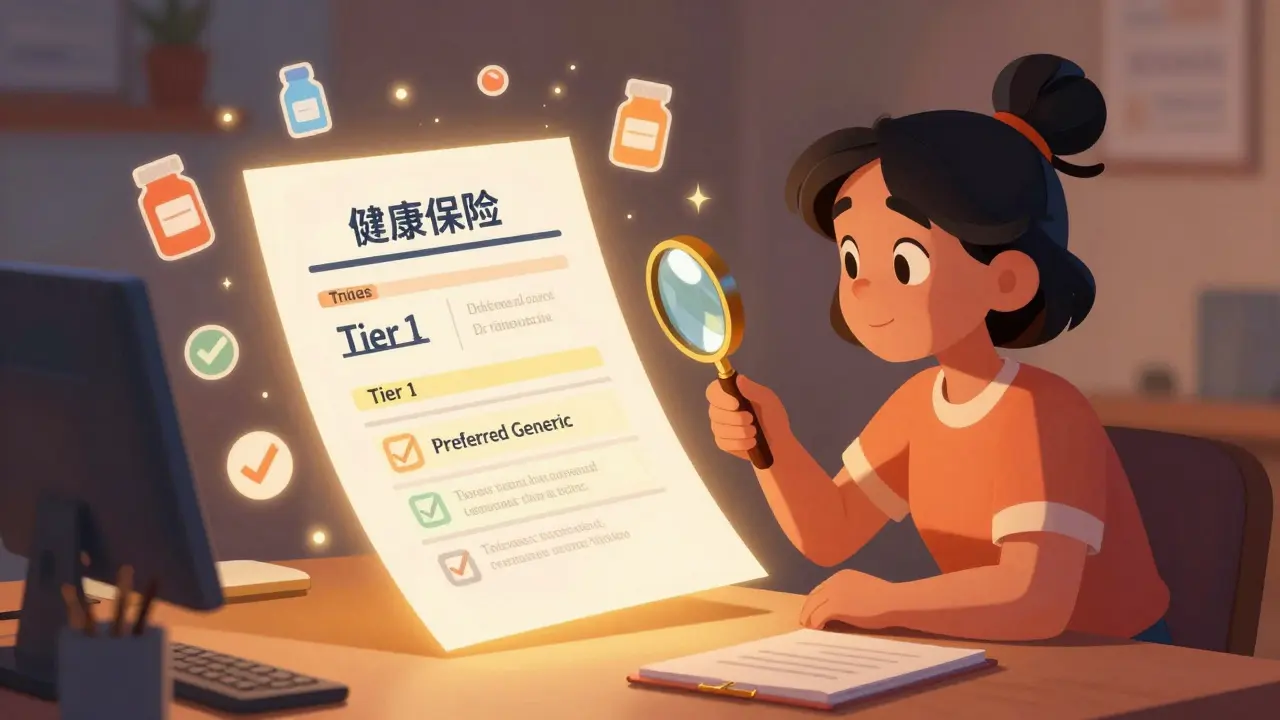
Tier 1 is almost exclusively reserved for generic medications with the lowest out-of-pocket costs. These are usually preferred generics available at major pharmacies. In many standardized marketplace plans, this tier features a flat copay, often between $3 and $20, regardless of whether you’ve met your deductible. This predictability is why Tier 1 is the gold standard for budget-conscious patients.
Tier 2 usually includes non-preferred generics or brand-name drugs with no generic alternative. Here, you might pay a higher copay or a percentage of the drug’s cost (coinsurance). Tiers 3 through 5 generally cover specialty drugs and high-cost biologics, where coinsurance rates can skyrocket.
The critical mistake people make when switching plans is assuming all generics are equal. They aren’t. One insurer might place your specific generic statin in Tier 1 with a $5 copay, while another places the exact same active ingredient in Tier 2 because they prefer a different manufacturer’s version, pushing your cost to $40 per fill. Always check the specific formulation, not just the drug name.
High-Deductible Plans vs. Standardized Silver Plans
One of the most significant factors affecting generic drug costs is the type of plan you choose. If you are shopping on the individual marketplace, you will likely encounter two main structures: High-Deductible Health Plans (HDHPs) and Standardized Plan Designs (SPDs), particularly Silver SPDs.
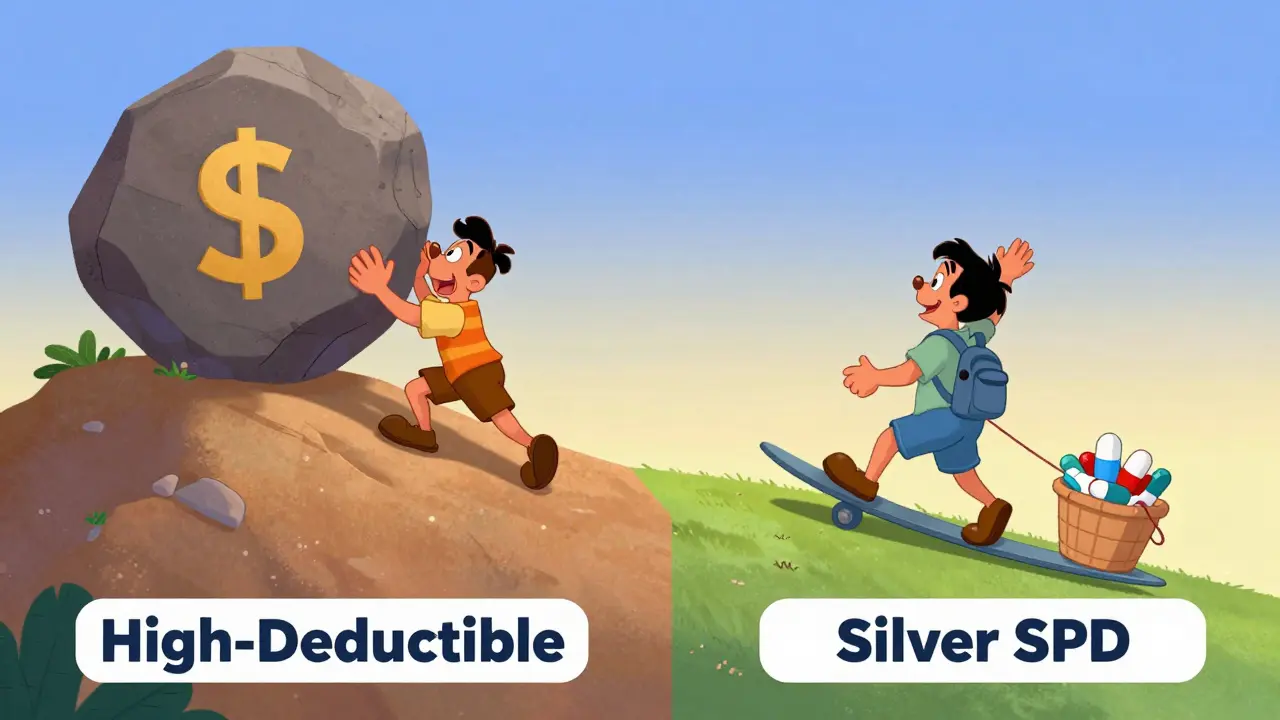
HDHPs often look attractive due to low monthly premiums. However, they typically have an integrated deductible. This means you must pay 100% of the cost for both medical services and prescriptions until you meet that deductible threshold. For someone taking daily maintenance meds, this can mean paying full retail price for months before insurance kicks in. According to data from eHealthInsurance, this structure can lead to annual savings of $1,500 to $5,000 being lost simply because the deductible wasn’t waived for prescriptions.
In contrast, Silver SPDs-required by the Centers for Medicare & Medicaid Services (CMS) in many states-often waive the annual deductible for Tier 1 generic drugs. This means you pay a fixed, low copay from day one. If you take multiple generic medications, a Silver SPD is frequently the more economical choice despite potentially higher premiums, because your out-of-pocket prescription costs remain predictable and low throughout the year.
| Plan Type | Deductible Status for Generics | Typical Copay/Cost | Best For |
|---|---|---|---|
| Silver SPD (Marketplace) | Waived for Tier 1 | $10 - $20 fixed copay | Predictable, regular medication users |
| High-Deductible (HDHP) | Must be met first | Full price until deductible met | Healthy individuals rarely needing meds |
| Medicare Advantage (MA-PD) | Varies by plan | $0 - $10 post-deductible | Seniors seeking bundled benefits |
| Employer-Sponsored (Standard) | Often pre-deductible | $5 - $15 copay | Employees with negotiated group rates |
Navigating Medicare Part D and Advantage Plans
For seniors and those with disabilities, the landscape shifts slightly with Medicare Part D plans. As of recent years, there are over 50 million beneficiaries enrolled in these prescription drug programs. The rules here are distinct from private marketplaces.
Standalone Part D plans and Medicare Advantage Plans with drug coverage (MA-PDs) both offer generic coverage, but MA-PDs often provide lower average out-of-pocket spending for generics. Data suggests MA-PDs can reduce generic medication costs by roughly 18% compared to standalone plans. However, this advantage depends heavily on your specific pharmacy network.
A crucial detail for Medicare enrollees is the concept of "preferred" versus "non-preferred" generics. Some plans split generics into two categories. Preferred generics (Tier 1) might have a $0 or $5 copay, while non-preferred generics (Tier 1+) could require $20 or more. If your current generic is manufactured by a company not favored by the new plan, you could see a massive price hike. Always verify if your specific brand of generic is listed as "preferred" in the new plan’s formulary.
Geographic Variations and State Mandates
Where you live plays a surprisingly large role in what you pay. Insurance regulations vary significantly by state, impacting how deductibles and copays are structured for prescriptions.
For example, New York has implemented rules that effectively waive deductibles for generic drugs, allowing residents to benefit from $0 copays in certain scenarios. In contrast, California residents may face a separate outpatient drug deductible (e.g., $85) followed by 20% coinsurance for generics. This structural difference can lead to substantially higher adherence rates in states with favorable mandates, as noted by industry analysts. If you move or switch to a plan offered in a different region, always check local state-specific mandates regarding prescription drug deductibles.
Four Steps to Verify Your Coverage Before Switching
Don’t guess. Use this systematic approach to ensure your new plan actually covers your needs without hidden costs.
- Download the Full Formulary: Don’t rely on summary sheets. Go to the insurer’s website and download the complete PDF formulary. Search for your specific medication names.
- Check the Manufacturer and Formulation: Look for details like "extended-release" (ER) versus immediate release. Also, note the manufacturer. If Plan A prefers Manufacturer X’s generic and Plan B prefers Manufacturer Y, your cost might jump even though the drug is technically the same.
- Verify Pharmacy Networks: Check if your preferred local pharmacy is in-network. Using an out-of-network pharmacy for a generic drug can increase costs by 300% to 400%. Some plans also offer cheaper rates for mail-order refills for 90-day supplies.
- Calculate Total Annual Cost: Add up your expected copays for the entire year. If a plan has a $500 deductible for prescriptions and you take two generics monthly, calculate if the lower premium saves you money overall. Tools like the Medicare Plan Finder or Healthcare.gov’s estimator can automate this math.
Common Pitfalls to Avoid
Even careful shoppers make mistakes. Here are the most frequent errors that lead to unexpected bills:
- Ignoring Tier Changes: A drug might be Tier 1 in your old plan but Tier 2 in the new one due to rebates or negotiations between the insurer and manufacturers. This small shift can double your copay.
- Overlooking Specialty Generics: Some complex generics (like certain injectables or biologics) are classified as specialty drugs (Tier 4 or 5). These often require prior authorization and have much higher coinsurance percentages (15-30%). Ensure your specialty generics are covered under the right tier.
- Failing to Check Strengths: Sometimes a plan covers the 500mg strength of a drug but not the 1000mg strength, or vice versa. Double-check the dosage you actually take.
By taking the time to dig into the formulary details and understanding how deductibles interact with generic tiers, you transform from a passive policyholder into an informed consumer. The goal isn’t just to find the cheapest premium; it’s to find the plan that minimizes your total cost of care. With the right research, you can secure coverage that keeps your wallet and your health in balance.
What is the difference between a copay and coinsurance for generic drugs?
A copay is a fixed amount you pay for a prescription, such as $10, regardless of the drug's actual cost. Coinsurance is a percentage of the drug's cost that you pay, such as 20%. For generic drugs, copays are generally preferred because they provide predictable, lower costs. Coinsurance can become expensive if the base price of the generic rises.
Do I need to meet my deductible before getting generic drug coverage?
It depends on your plan type. In many High-Deductible Health Plans (HDHPs), you must meet the deductible first. However, in Silver Standardized Plan Designs (SPDs) on the marketplace and many employer-sponsored plans, the deductible is often waived for Tier 1 generic drugs, meaning you pay only a small copay from the start of the year.
Why does the same generic drug cost different amounts in different plans?
Insurers negotiate different rebate deals with various pharmaceutical manufacturers. If Plan A has a deal with Manufacturer X, their version of the generic goes in Tier 1 (low cost). If Plan B doesn't have that deal, they might put Manufacturer X's generic in Tier 2 (higher cost) to encourage you to use Manufacturer Y's version, which they prefer.
How can I find out if my specific generic medication is covered?
You should download the full formulary PDF from the insurance provider's website. Search for your drug by name. Look for the tier number assigned to it. Additionally, use online tools like Medicare.gov's Plan Finder or Healthcare.gov's estimator to input your specific medications and see projected costs.
Is mail-order pharmacy cheaper for generic drugs?
Often, yes. Many insurance plans offer reduced copays for mail-order pharmacies, especially for 90-day supplies of maintenance medications. For example, a retail pharmacy might charge a $10 copay for a 30-day supply, while mail-order might charge $20 for a 90-day supply. Always check your plan's specific mail-order benefits.