
Every year, over a million people in the U.S. are harmed by medication errors - and many of these mistakes happen right at the pharmacy. You might think pharmacists always get it right, but the truth is, mistakes happen: wrong dosage, wrong pill, wrong name. And here’s the scary part - you are the last person who can catch it before you take that medicine. You don’t need to be a doctor. You just need to know what to look for.
Why Checking Your Prescription Matters
Pharmacists are trained professionals, but they’re human. They handle dozens of prescriptions an hour. A label might get mixed up. A barcode might scan wrong. A pill bottle might be pulled from the wrong shelf. According to the Centers for Medicare & Medicaid Services (CMS), over 12% of pharmacy claims in 2022 had errors that could have been caught if the patient had checked their meds. That’s more than 1 in 8 prescriptions. The good news? When patients actively verify their prescriptions, errors drop by up to 37%. That’s not a small number. It’s life-changing. Dr. Jennifer Le from UCSF says the single most effective thing you can do is look at the pill and compare it to what you expect. That one step catches about 65% of errors.The 7-Point Prescription Verification Checklist
Before you leave the pharmacy, spend three minutes - yes, just three - checking these seven things. It’s simple. It’s quick. And it could save your life.- Confirm your name and date of birth - The label must match your legal name and birth date exactly. No nicknames. No initials. If it says “J. Smith” and your name is “Jane Smith,” that’s a red flag. One in five errors involve the wrong patient getting someone else’s medicine.
- Check the medication name and strength - Is it exactly what your doctor prescribed? If you take 10 mg of lisinopril, but the bottle says 20 mg, stop. Don’t take it. Even if the label says “Lisinopril,” the strength might be wrong. Dosage errors are the #1 type of pharmacy mistake, making up over a third of all errors.
- Verify the National Drug Code (NDC) - Look for the 11-digit number on the label. You can type it into the FDA’s NDC Directory online (or ask the pharmacist to show you on their screen). If the NDC doesn’t match the drug you’re supposed to get, something’s off. About 8% of errors happen because the wrong drug was dispensed - even if the label looks right.
- Count your pills - If your prescription says 30 tablets, count them. Right there. Don’t wait until you get home. About 23% of quantity errors are caught only when patients count on the spot. Missing pills? Too many? Ask why.
- Read the instructions clearly - Does it say “take once daily” or “take every 6 hours”? Is it written in plain English? Many labels use abbreviations like “q.d.” or “b.i.d.” - ask what they mean. Illegible or unclear instructions cause nearly 19% of errors. If you don’t understand how to take it, don’t leave until you do.
- Check the expiration date and packaging - Is the bottle sealed? Does the expiration date look recent? Expired or damaged meds can be dangerous. Around 4% of recalled drugs still make it to patients because no one checked. If the bottle looks cracked, the pills are discolored, or the date is last year - say something.
- For controlled substances: Confirm address and prescription validity - If it’s an opioid, stimulant, or other controlled drug, the pharmacist is legally required to verify your address and that the prescription is legitimate. If they didn’t ask you for ID or seem unsure, ask them to double-check. DEA rules are strict for a reason.
What to Do If Something Feels Wrong
You don’t have to be polite if something doesn’t feel right. You’re not being difficult - you’re being smart. If you spot a mistake, say: “I think there’s an error here. Can you double-check this prescription?” Most pharmacists will thank you. In fact, 92% of them encourage patients to verify their meds. The problem? Only 29% of patients actually do it regularly. If the pharmacist brushes you off, ask to speak to the manager. If they still won’t help, write down the pharmacy name, date, and what happened. Report it to your state’s pharmacy board. You’re not just protecting yourself - you’re helping prevent this from happening to someone else.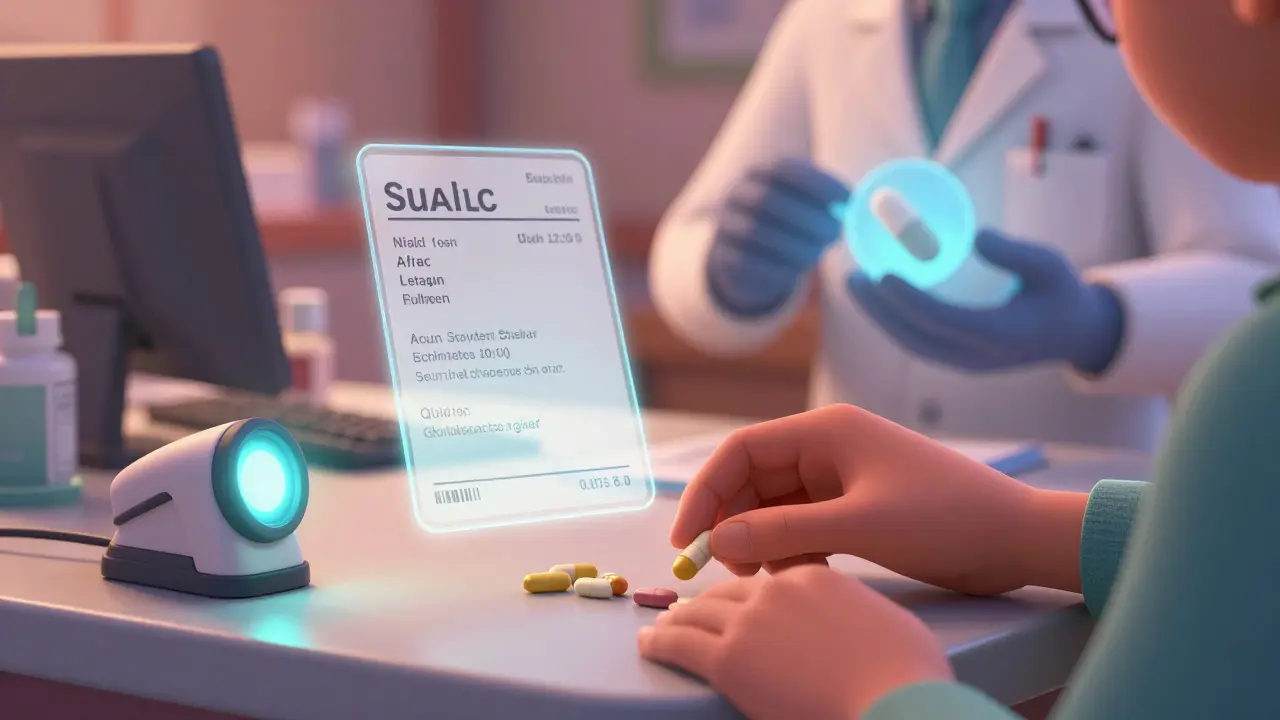
Common Problems - And How to Fix Them
Some issues come up again and again:- Small print on labels - If you’re over 65, you’re not alone. Over 64% of older patients struggle to read labels. Ask for a magnifying glass - most pharmacies keep them behind the counter. Or take a photo with your phone and zoom in.
- Generic vs. brand name confusion - Your doctor might prescribe “Lisinopril,” but you’ve always taken “Zestril.” That’s the same thing. But if you’re handed a different generic version and you’re not sure, ask: “Is this the same as what I usually take?”
- Time pressure - Pharmacies are busy. But no one should rush you. If someone says, “Hurry up, we have a line,” politely say, “I need a minute to check this. Safety comes first.” You have the right to take your time.
What’s Changing in Pharmacies Today
Pharmacies are getting better - slowly. By 2023, over 90% of pharmacies use barcode scanners to match prescriptions with meds. That’s cut down errors by 84%. Many now have “verification stations” - tablets where you can scan your prescription and see a picture of the pill before you pick it up. Some chains, like CVS and Walgreens, are testing augmented reality apps. Point your phone at the bottle, and it shows you the drug name, purpose, and even a short video of how to take it. These tools help - but they’re not perfect. You still need to check. The government is pushing harder too. Medicare now fines pharmacies if their error rate goes above 0.85%. That’s why more pharmacists are asking patients to verify - they’re trying to avoid penalties.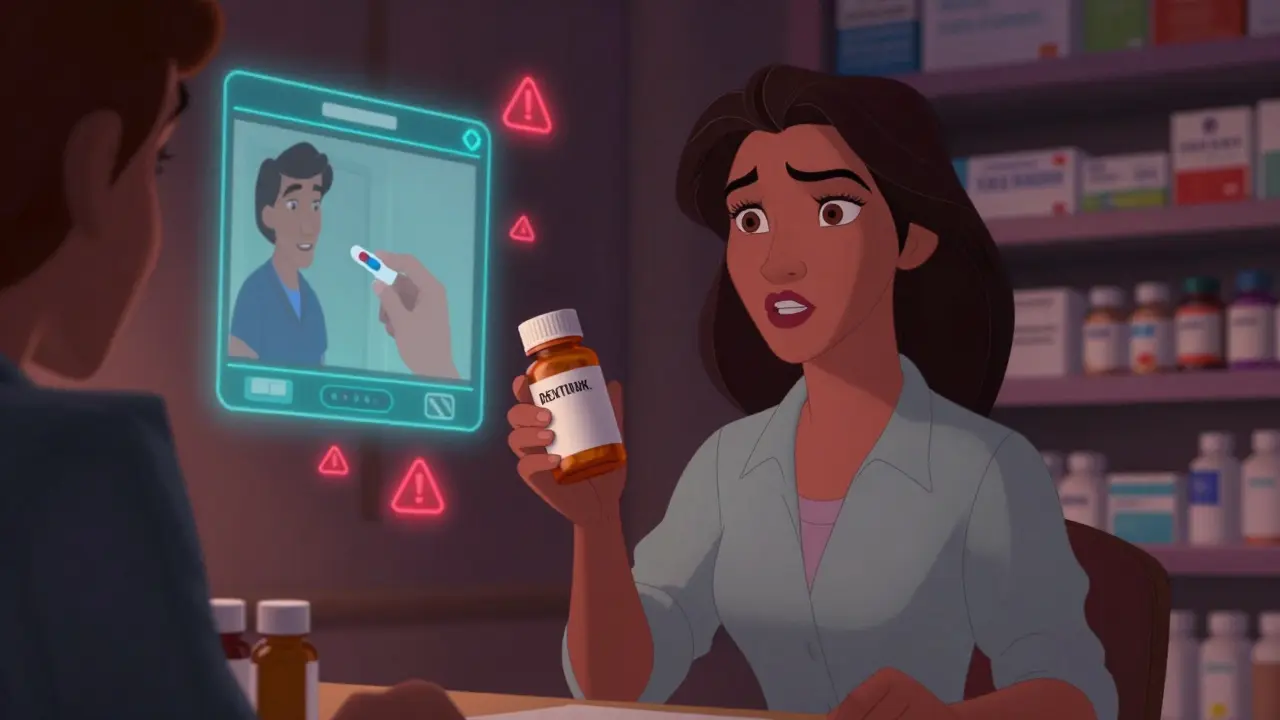
What You Can Do Right Now
You don’t need to wait for new tech or better laws. Here’s your action plan:- Always check your prescription before leaving the pharmacy.
- Use the 7-point checklist above - write it down if you need to.
- Ask the three FDA-recommended questions: “What is this for?” “How do I take it?” “What side effects should I watch for?”
- If you’re on multiple meds, keep a list in your wallet or phone. Bring it to every appointment and pharmacy visit.
- Don’t be afraid to speak up. Your life depends on it.
Final Thought: You’re Not Just a Customer - You’re a Safety Partner
Pharmacists are your allies, not your babysitters. The system works best when you’re part of it. You know your body. You know your meds. You know what feels right. If something doesn’t match, trust that feeling. One woman on Reddit caught a mix-up because she noticed her blood pressure pill looked different. The pharmacist admitted they’d grabbed someone else’s prescription. She didn’t take it. She spoke up. No one got hurt. That could be you. And it should be.What should I do if I realize I took the wrong medicine?
Stop taking the medication immediately. Call your pharmacist or doctor. If you feel unwell - dizziness, nausea, rapid heartbeat, confusion - call 911 or go to the nearest emergency room. Don’t wait. Even if you think it’s minor, some medications can cause serious reactions if taken incorrectly. Keep the bottle and label - you’ll need them for the doctor or poison control.
Can I verify my prescription online or by phone?
You can confirm the details of your prescription - like dosage and instructions - by calling your pharmacy. But you cannot verify the actual medication without seeing it. A phone call won’t tell you if the pills in the bottle are the right color, shape, or count. Physical inspection is required. Never rely on verbal confirmation alone.
Why do I get different-looking pills even when the name is the same?
That’s because of generics. Different manufacturers make the same drug, and they use different shapes, colors, or markings. For example, one brand of metformin might be white and round, another might be blue and oval. As long as the name, strength, and NDC match, it’s safe. But if you’re unsure, ask the pharmacist to confirm it’s the same active ingredient. Never assume the pill looks the same every time.
Is it safe to take medication if the expiration date is past?
It’s not recommended. While some medications may remain effective past their expiration date, others - like insulin, antibiotics, or nitroglycerin - can lose potency or become unsafe. Expired pills might not work when you need them most. If the expiration date has passed, return it to the pharmacy. Most will replace it for free, especially if you’re on a chronic condition.
What if I’m not sure if the pharmacy gave me the right drug?
Call your doctor’s office and ask them to confirm the prescription details. Then call the pharmacy and ask them to re-check the NDC number on the bottle against the original order. If there’s still doubt, don’t take it. Go back to the pharmacy with your doctor’s name and prescription number. Most will re-check and replace it without question - because they want to get it right too.
Do I need to verify my prescription every time, even if it’s the same medicine?
Yes. Even if you’ve taken the same drug for years, mistakes can still happen. A refill might be filled from a different batch. The strength might have changed. A new generic version might have been switched in. Never assume it’s the same. Always check. It takes 90 seconds. It could prevent a hospital visit.
Can I ask for a printed copy of my prescription details?
Absolutely. You have the right to ask for a printed copy of your prescription, including the name, strength, dosage, and NDC number. Many pharmacies will print it for you - especially if you’re on multiple medications. Keep it in your wallet or phone. It’s your personal safety record.