
Zinc & Antibiotic Timing Calculator
Imagine spending ten days taking a strong course of antibiotics for a stubborn infection, only to find out the bacteria are still there because your daily multivitamin blocked the medicine from entering your bloodstream. It sounds like a fluke, but for people taking zinc supplements and antibiotics, this is a documented clinical reality. When these two meet in your gut at the same time, they don't just coexist; they compete, often leaving the antibiotic powerless to fight the infection.
| Antibiotic Class | Interaction Level | Common Examples | Recommended Gap |
|---|---|---|---|
| Tetracyclines | Very High | Doxycycline, Minocycline | 4-6 Hours |
| Quinolones | High | Ciprofloxacin, Levofloxacin | 2-4 Hours |
| β-lactams | Moderate | Cephalexin, Penicillins | 2 Hours |
| Macrolides | Low/None | Azithromycin | Standard |
Why Zinc Blocks Your Medication
The problem isn't that zinc is "bad," but that it is a divalent cation-a positively charged ion. Many antibiotics rely on specific "doors" in your intestinal wall to get into your blood. For example, β-lactam antibiotics is a broad group of antibiotics, including penicillins and cephalosporins, that contain a beta-lactam ring in their molecular structure use a transporter called PEPT1 (Peptide Transporter 1).
Zinc acts like a crowd of people blocking the entrance to that door. In a 2012 study involving healthy volunteers, researchers found that when zinc sulfate was taken at the same time as cephalexin, the drug's maximum plasma concentration (Cmax) dropped significantly. Essentially, the zinc occupied the PEPT1 transporters, leaving the antibiotic stranded in the gut where it eventually gets flushed out instead of absorbed.
With Tetracyclines is a class of four-carbon antibiotics used to treat a wide range of bacterial infections , the problem is even worse. These drugs undergo a process called chelation, where the zinc ion literally binds to the antibiotic molecule, creating a large, insoluble complex that the body simply cannot absorb. Some pharmacology data suggests this can slash antibiotic absorption by as much as 50%.
The Danger of Subtherapeutic Levels
Why does a 20% or 50% drop in absorption matter? Antibiotics work based on a "minimum inhibitory concentration" (MIC). This is the lowest possible concentration of a drug that can stop bacteria from growing. If zinc prevents your body from reaching that threshold, you have subtherapeutic levels of the drug in your system.
This creates a dangerous scenario. The bacteria aren't completely killed, but they are exposed to a small amount of the drug. This is a perfect recipe for Antimicrobial Resistance is the process where bacteria evolve to survive the drugs designed to kill them . Instead of curing the infection, you might inadvertently train the bacteria to resist the medication, making the next round of treatment even harder.
Real-world accounts back this up. In pharmacy forums, patients have reported taking doxycycline for Lyme disease with no improvement, only to see a dramatic turnaround within 24 hours of separating their zinc supplements from their medication by four hours.

How to Time Your Doses Correctly
The goal is to ensure the antibiotic has a clear path to the PEPT1 transporters or is already absorbed before the zinc arrives. To do this, you need a strategic temporal gap. Here is the gold standard for timing:
- The "Before" Rule: Take your antibiotic at least 2 hours before you take your zinc supplement.
- The "After" Rule: If you've already taken zinc, wait 4 to 6 hours before taking your antibiotic.
- The Tetracycline Exception: Because Doxycycline is a commonly used tetracycline antibiotic for respiratory and skin infections binds so strongly to minerals, a longer 6-hour gap is often safer.
It is a common mistake to think that taking one in the morning and one in the evening is "different enough." While that usually works, some extended-release zinc formulations stay in the system longer. If you are using an extended-release version, you should lean toward a 4-hour gap minimum.
Hidden Sources of Zinc to Watch For
It isn't just about the bottle labeled "Zinc 50mg." Many people accidentally trigger this interaction through other sources:
- Multivitamins: Most daily vitamins contain 15-30mg of elemental zinc. Even these moderate amounts can interfere with sensitive antibiotics like ciprofloxacin.
- Fortified Foods: Some breakfast cereals and energy bars are heavily fortified with zinc. If you're on a strict antibiotic regimen, be mindful of these.
- Antacids: Some over-the-counter heartburn medications contain zinc carbonate or other divalent cations that cause the same blocking effect.
If you are taking a multivitamin, check the label for "Elemental Zinc." This is the actual amount of zinc your body can absorb, and it's the number that determines the severity of the interaction.
Practical Tips for Compliance
Managing a complex schedule can be a headache. To make sure you don't miss a dose or take them too close together, try these strategies:
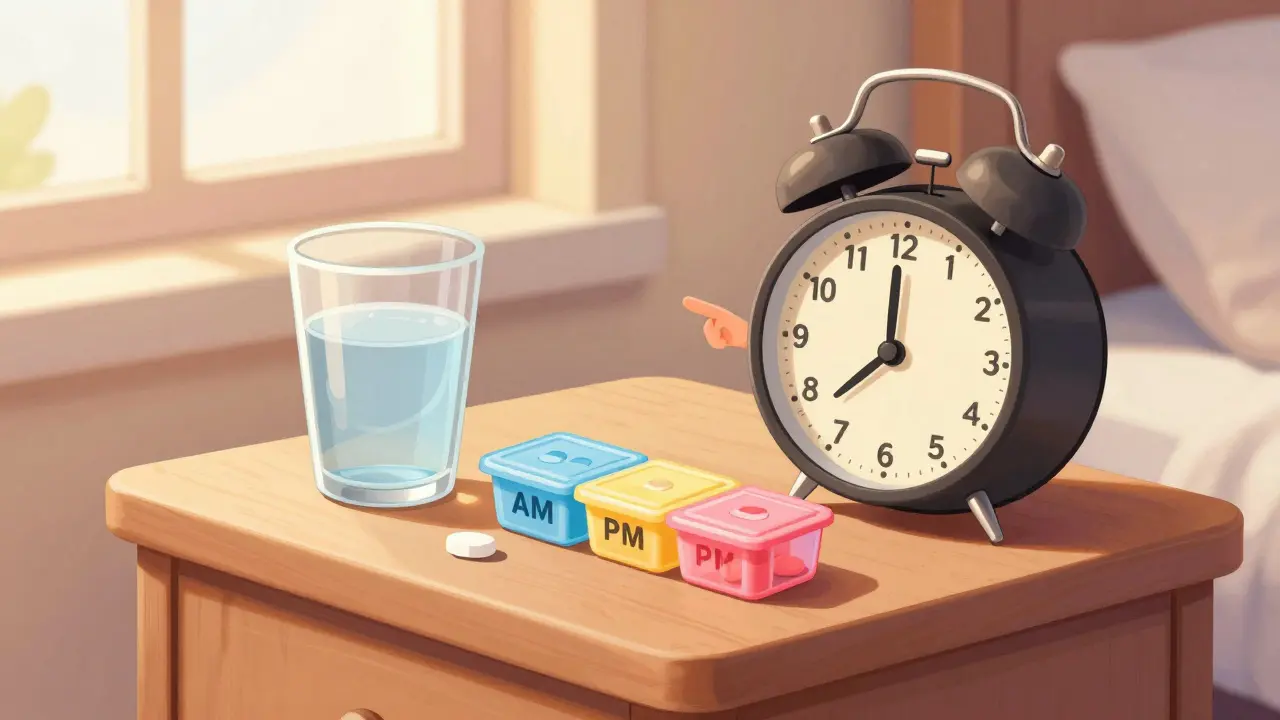
- Set Phone Alarms: Don't rely on memory. Set a specific alarm for the antibiotic and a separate one for the supplement.
- Use a Pill Organizer: Physically separating the meds into "AM" and "PM" slots can prevent accidental concurrent dosing.
- The "Water Only" Rule: Take your antibiotics with plain water. Avoid taking them with milk or calcium-fortified juices, as calcium behaves similarly to zinc and will also block absorption.
If you find the timing impossible-for instance, if you have a very strict 3-times-a-day antibiotic schedule-talk to your pharmacist. They might suggest shifting your zinc supplement to a single dose right before bed, provided it doesn't clash with your final antibiotic dose.
Can I take zinc with any antibiotics?
Yes, some classes are less affected. Macrolides (like azithromycin) and aminoglycosides generally don't show significant interactions with zinc. However, you should always confirm with your doctor or pharmacist before mixing them.
What happens if I already took them together?
Don't panic, but don't ignore it. A single dose might not cause total treatment failure, but doing it consistently will. Correct your timing for the remaining doses and notify your doctor if your symptoms aren't improving as expected.
Does the form of zinc matter?
Yes. Research suggests that zinc citrate may cause less absorption inhibition than zinc sulfate due to different chelation properties, though the 2-hour separation rule is still recommended for all forms to be safe.
Why is the gap longer after taking zinc than before?
Zinc can linger in the gastrointestinal tract and continue to compete for transporters. Waiting 4-6 hours after a zinc dose ensures the supplement has largely cleared the upper intestine, giving the antibiotic a clear path for absorption.
Does this apply to liquid antibiotics?
Generally, yes. While liquid formulations may empty from the stomach faster, the interaction happens at the transporter level in the intestines. Maintain the same separation gaps regardless of the medication's form.
Next Steps and Troubleshooting
If you are starting a new prescription, the first thing to do is list all your supplements-including the "natural" ones-for your pharmacist. If you realize you've been taking zinc and antibiotics together for several days without improvement, contact your provider. You may need to extend your course of antibiotics to make up for the lost absorption.
For those with sensitive stomachs, remember that zinc on an empty stomach can cause nausea. If you must take zinc with food, ensure that food doesn't contain high levels of calcium or iron, which can also interfere with certain antibiotics. The safest bet is always a clear window of time where only the medication is being processed by your body.