90% of all prescriptions in the U.S. are for generic medications, yet they account for just 23% of total drug spending. That's because switching to generics can save you hundreds-sometimes thousands-of dollars each year without sacrificing effectiveness. Let's break down why.
When you hear generic medications are pharmaceutical products containing the same active ingredients as brand-name drugs, approved by the FDA after proving bioequivalence, it's natural to wonder: are they really the same? The answer is yes-and here's why choosing generics makes sense for your health and wallet.
What Are Generic Medications?
The U.S. Food and Drug Administration (FDA) requires generic drugs to meet strict standards. They must contain the same active ingredients, strength, dosage form, and route of administration as the brand-name version. But here's the key: generics don't have to repeat expensive clinical trials. Instead, they prove bioequivalence-meaning they deliver the same amount of medicine into your bloodstream at the same rate as the brand-name drug. This process is called the Abbreviated New Drug Application (ANDA) pathway, established by the Hatch-Waxman Act in 1984.
For example, the generic version of Lipitor (atorvastatin) became available in 2011. Before that, the brand-name drug cost about $130 a month. Today, the generic sells for as low as $4 at major pharmacies. The FDA confirms that generics must meet the same quality standards as brand-name drugs. This includes identical active ingredients and proven bioequivalence through pharmacokinetic studies. The FDA's Center for Drug Evaluation and Research requires that generics show 90% confidence intervals for both Cmax and AUC within 80% to 125% of the brand-name drug. This ensures consistent performance.
How Much Money Can You Save?
Cost savings are the most obvious benefit. The FDA reports that generics are typically 80-85% cheaper than brand-name drugs. A 2023 report from the Association for Accessible Medicines shows generic drugs saved the U.S. healthcare system $1.67 trillion over the decade from 2012-2022. Here's how this plays out in real life:
| Medication | Brand-Name Cost (30-day supply) | Generic Cost (30-day supply) | Savings |
|---|---|---|---|
| Lipitor (atorvastatin) | $130 | $4 | 97% |
| Coumadin (warfarin) | $300+ | $4 | 98.7% |
| Allegra (fexofenadine) | $30 | $10 | 67% |
| Glucophage (metformin) | $300 | $4 | 98.7% |
Insurance plans also incentivize generics. Humana data from 2023 shows average copays of $1-$10 for generics compared to $25-$75 for brand-name drugs. For patients on chronic conditions like diabetes or high blood pressure, these savings add up fast. One Reddit user, 'PharmTech87', shared: "Switching my blood pressure meds to generic saved me $280 monthly without any change in effectiveness."
Are Generics Really as Safe and Effective?
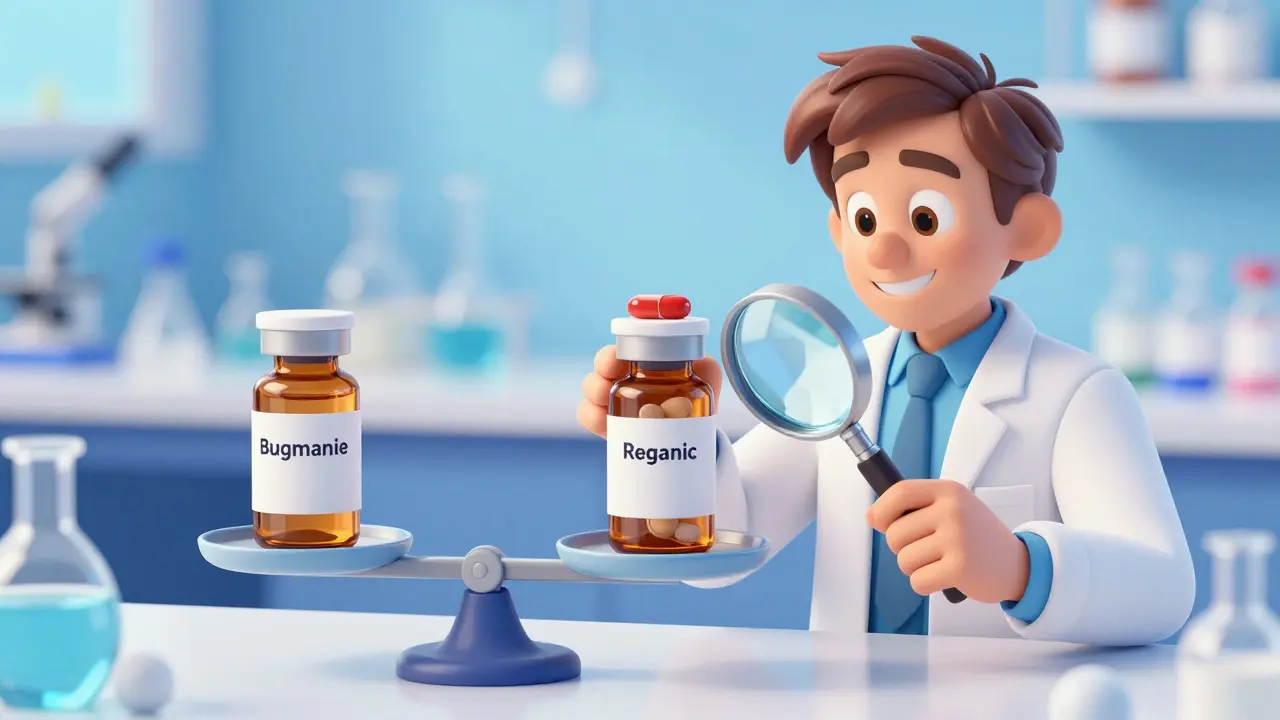
Yes. A 2022 study in the Journal of Managed Care & Specialty Pharmacy tracked over 186,000 patients and found no difference in outcomes between generic and brand-name heart medications. The FDA requires the same quality standards for generics as brand-name drugs. Even for drugs with narrow therapeutic windows (where small dose changes matter), the FDA's bioequivalence standards ensure safety. Dr. Janet Woodcock, former FDA director, stated: "Generic drugs undergo rigorous review to ensure they are as safe and effective as brand-name drugs." The American Medical Association recommends prescribing generics when appropriate to reduce out-of-pocket costs without compromising care.
Some people worry about side effects. But FDA's Adverse Event Reporting System (FAERS) data from 2023 shows adverse event reports for generics are proportional to their usage rates (about 90% of prescriptions). This means no elevated safety concerns compared to brand-name drugs. A 2023 study in Research in Social and Administrative Pharmacy found patients using generics were 68% less likely to skip doses due to cost concerns. For example, a diabetes patient on Reddit wrote: "Metformin generics cost me $4/month versus $300 for Glucophage-this keeps me adherent to my treatment."
Debunking Common Misconceptions
Many believe different pill colors or shapes mean generics are inferior. But these differences are only in inactive ingredients (like dyes or fillers), which don't affect how the medicine works. A Drugs.com review from February 2024 shared: "My pharmacy switched generic manufacturers and the pill color changed, which made me anxious even though my doctor assured me it was the same medication." The FDA confirms such changes are purely cosmetic. Another myth is that generics cause more side effects. Data from the FDA's Adverse Event Reporting System shows adverse events for generics are proportional to their usage rate-about 90% of prescriptions-which means no higher risk than brand-name drugs.
Some worry about "switching" between generic manufacturers. The FDA's Orange Book lists therapeutic equivalence ratings. If a generic is rated AB (therapeutically equivalent), switching between manufacturers won't affect your treatment. For example, the blood thinner warfarin has multiple generic manufacturers, but all meet the same standards. As the FDA states: "Generic drugs are interchangeable with brand-name drugs when they meet bioequivalence requirements."
How to Switch to Generics
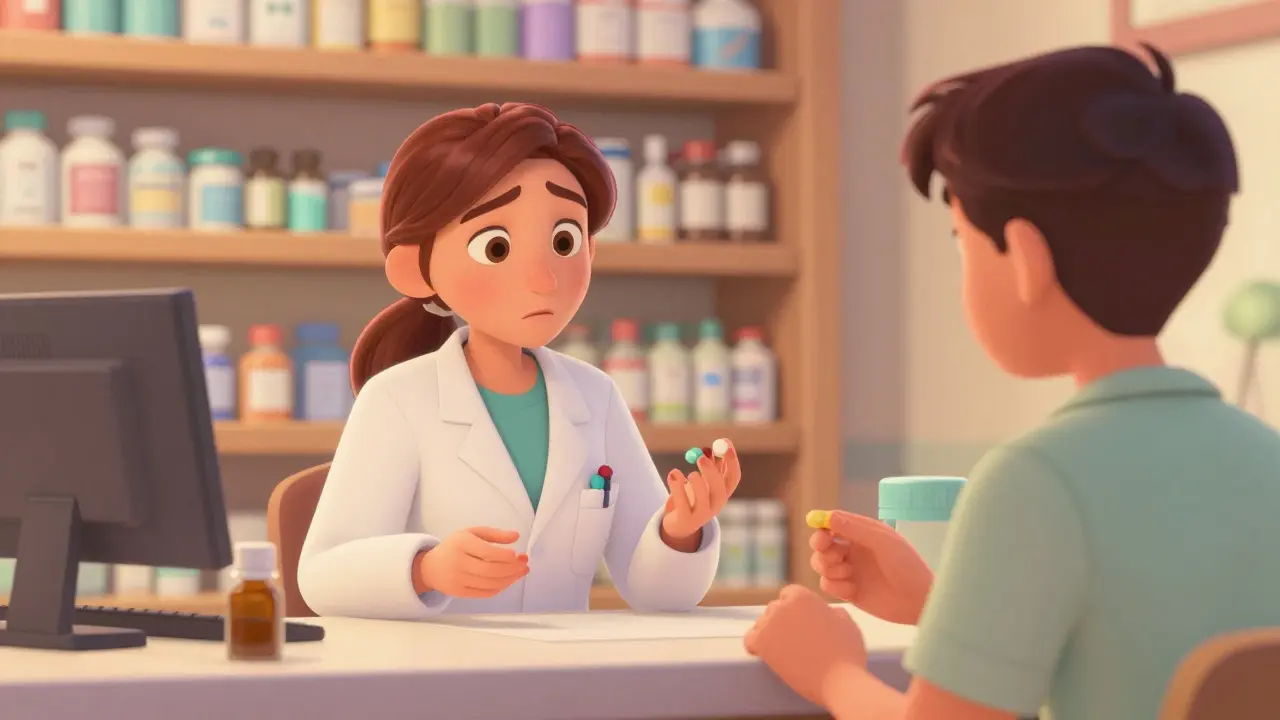
Switching is straightforward. Your pharmacist can substitute a generic when possible, unless your doctor specifies "no substitution." Most insurance plans have lower copays for generics-often $1-$10 versus $25-$75 for brand-name drugs. If your prescription is for a brand-name drug, ask your doctor if a generic is available. The FDA's Orange Book lists therapeutic equivalence ratings for all approved drugs. Pharmacists are trained to explain the switch and answer questions. A 2023 American Pharmacists Association guideline states: "Counsel patients on the equivalence of generics during the initial switch." For patients on high-cost medications, the savings can be life-changing. One Reddit user, 'PharmTech87', shared: "Switching my blood pressure meds to generic saved me $280 monthly without any change in effectiveness."
For chronic conditions like diabetes or high blood pressure, switching to generics can mean the difference between affording treatment or skipping doses. The Centers for Disease Control and Prevention recommends using visual aids during patient consultations to explain bioequivalence. This helps build trust and ensures patients understand generics are safe and effective.
Future Trends in Generic Medications
The FDA's Generic Drug User Fee Amendments (GDUFA) III, running through 2027, aims to reduce review times for generic applications to 10 months for priority reviews. The 2023 FDA report 'Advancing Global Regulatory Convergence for Generic Drugs' outlines initiatives to harmonize international standards, potentially accelerating approvals. Biosimilars-generic versions of complex biologic drugs-are emerging as a major trend. As of December 2023, the FDA had approved 37 biosimilars, with the Congressional Budget Office projecting they could save $300 billion over the next decade. This growth will make expensive treatments like cancer therapies more accessible to patients.
Are generic medications as effective as brand-name drugs?
Yes. The FDA requires generic drugs to be bioequivalent to their brand-name counterparts, meaning they deliver the same amount of active ingredient into your bloodstream at the same rate. Multiple studies confirm this, including a 2022 analysis of 186,000 patients that found no difference in outcomes for heart medications. Even for drugs with narrow therapeutic windows, the FDA's strict standards ensure safety and effectiveness.
Why are generic medications cheaper than brand-name drugs?
Generics don't have to repeat expensive clinical trials already conducted for brand-name drugs. Instead, they prove bioequivalence through shorter studies. This cuts development costs dramatically. Once multiple generics enter the market, competition drives prices down further. For example, when five generic manufacturers compete for a single drug, prices drop by about 85% compared to the brand-name version. The FDA estimates generic drugs cost 80-85% less than brand-name drugs on average.
Do generic medications have different side effects?
No. The FDA's Adverse Event Reporting System (FAERS) shows that adverse event reports for generics are proportional to their usage rates (approximately 90% of prescriptions). This means no higher risk than brand-name drugs. Any differences in side effects are typically due to inactive ingredients (like fillers or dyes), which are minor and usually harmless. The FDA requires all ingredients to be safe and approved.
Can I switch to a generic for all my medications?
Most medications have generic versions available. However, some drugs-like certain biologics or those with narrow therapeutic windows-may not have generics yet. Your doctor or pharmacist can check the FDA's Orange Book to see if a generic is available and therapeutically equivalent. For most common medications (like blood pressure or cholesterol drugs), generics are safe and effective alternatives. Always consult your healthcare provider before switching.
What if my pharmacy switches the generic manufacturer?
Switching between generic manufacturers is common and safe. The FDA requires all approved generics to meet the same bioequivalence standards. Differences in pill color or shape are due to inactive ingredients and don't affect how the drug works. The FDA's Orange Book lists therapeutic equivalence ratings (AB-rated generics are interchangeable). If you notice changes in your medication's appearance, ask your pharmacist to confirm it's the same drug. Most patients experience no issues with manufacturer switches.